

Magnesium Powder
Some filters could not be applied and were reset.
-
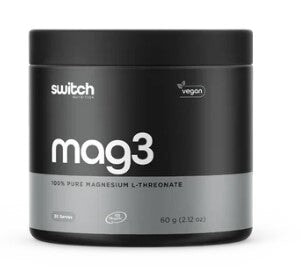 Sale Switch Nutrition Mag3 Magnesium L-Threonate Powder $39.96
Regular price $49.95Add to cart -
 Sale Herbs Of Gold Magnesium Night Plus Powder $31.45
Regular price $52.50Add to cart -
 Sale Fusion Health Magnesium Advanced Oral Powder $31.95
Regular price $41.95Add to cart -
 Sale Cabot Health Magnesium Ultra Potent Powder $39.45
Regular price $39.95Add to cart -
 Sale Herbs Of Gold Magnesium Powder High Strength $19.72
Regular price $32.95Add to cart -
 Sale Carusos Super Magnesium Powder $37.95
Regular price $44.00Add to cart -
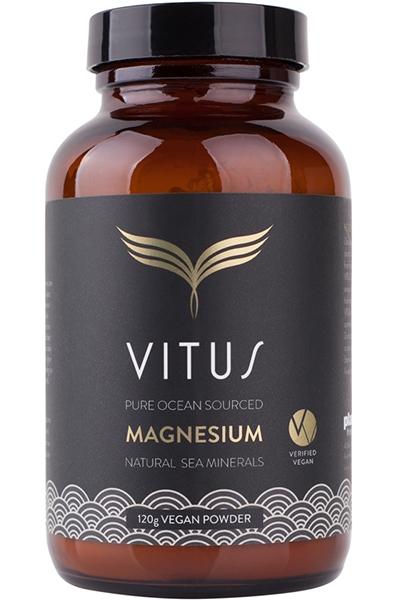 Sale Vitus Pure Ocean Sourced Magnesium Powder $28.45
Regular price $29.95Add to cart -
 Sale Micronutrition Magnesium Extra Powder $29.95
Regular price $39.95Add to cart -
 BioPractica Magnesium Diaporal Oral Powder $45.60 Add to cart
-
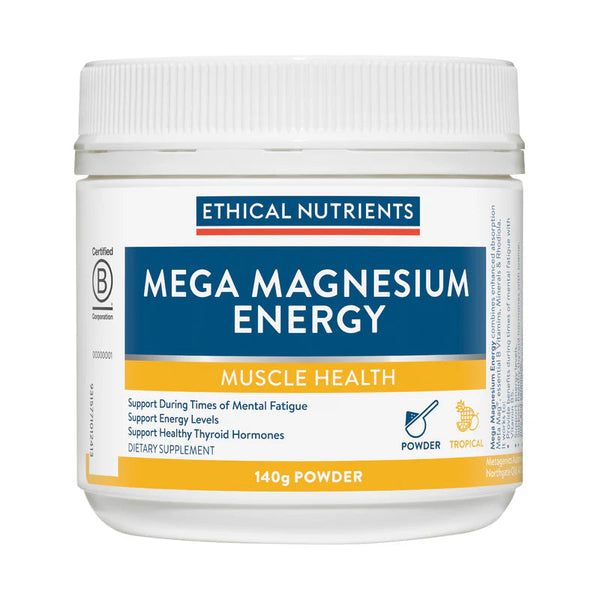 Sale Ethical Nutrients Mega Magnesium Energy Stress Powder $38.21
Regular price $50.95Add to cart -
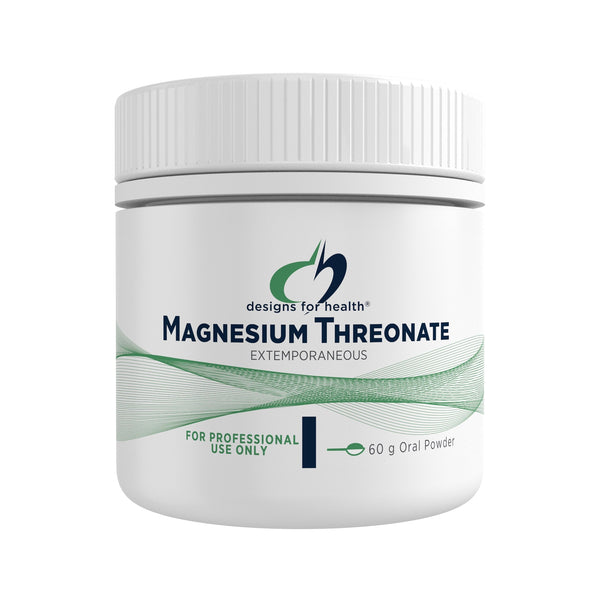 Designs for Health Magnesium Threonate Oral Powder $74.95 Add to cart
-
 Sale Microrganics Marine Magnesium Powder $26.95
Regular price $28.07Add to cart -
 Sale Nutrivital Magnesium Complete Powder $39.95
Regular price $43.95Add to cart -
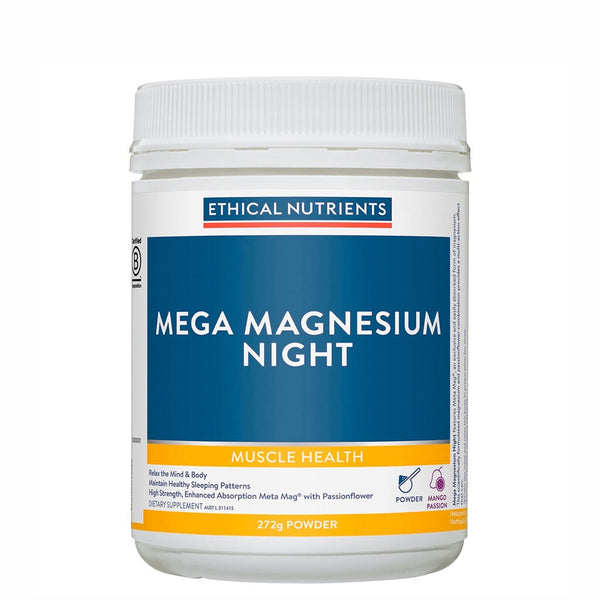 Sale Ethical Nutrients Mega Magnesium Night Powder $63.71
Regular price $84.95Add to cart -
 Sale Nutralife Magnesium Sleep + Collagen Renew Powder $24.95
Regular price $49.90Add to cart -
 Sale Henry Blooms Magnesium Complex Powder Ultra Strength $23.95
Regular price $39.95Add to cart -
 Sale Nutralife Magnesium Glycinate Powder $29.49
Regular price $58.99Add to cart -
 Sale Naturobest Calcium And Magnesium Plus K2 And D3 Powder $38.95
Regular price $39.95Add to cart -
 Sale GO Healthy Magnesium Powder $23.95
Regular price $40.99Add to cart -
 Sold out Vitaceuticals Magzorb Magnesium Glycinate 240g Powder $34.95
Regular price $35.00 -
 Sale Swisse Ultiboost Magnesium Powder $27.95
Regular price $35.49Add to cart -
 Sale Swisse Magnesium Plus Sleep Powder $32.95
Regular price $44.99Add to cart -
 Sold out JSHealth Advanced Magnesium+ Powder $29.95
Regular price $34.99 -
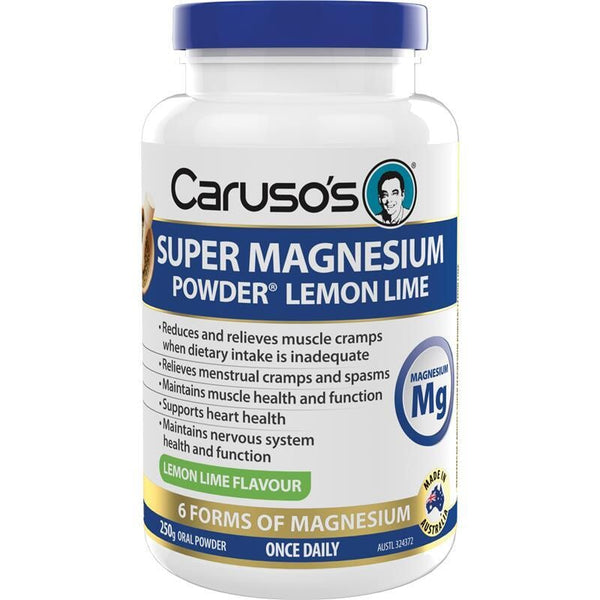 Sale Carusos Super Magnesium Powder Lemon Lime $41.95
Regular price $44.00Add to cart


Magnesium Powder Information
Always read the label and follow the directions for use.
Choose Your Magnesium Powder by Type
Shop by type
- Everyday blends: Micronutrition Magnesium Extra Powder, Cabot Health Magnesium Ultra Potent Powder and GO Healthy Magnesium Powder
- Glycinate: Nutralife Magnesium Glycinate Powder
- Night and sleep: Nutralife Magnesium Sleep + Collagen Renew Powder, Swisse Magnesium Plus Sleep Powder and Blackmores Sleep Sound Magnesium Powder
- Marine-sourced: Vitus Pure Ocean Sourced Magnesium Powder and Microrganics Marine Magnesium Powder
- Training and recovery: Blackmores Recovery Magnesium Powder, or browse muscle recovery supplements
- Tablets and capsules instead: all magnesium supplements
| Type | What you get in the tub | Price from |
|---|---|---|
| Everyday blends | Often several forms of magnesium, sometimes with taurine, B vitamins or vitamin C | $19.72 |
| Glycinate | Magnesium bound to glycine, a single form | $29.49 |
| Night and sleep | Magnesium with herbs or nutrients for an evening drink | $24.95 |
| Marine-sourced | Magnesium drawn from seawater | $26.95 |
| Practitioner-brand | Practitioner-range brands such as BioPractica and Designs for Health | $45.60 |
Which type suits you?
An everyday blend such as Micronutrition Magnesium Extra is a simple place to start. Glycinate suits anyone who prefers a single form of magnesium, and a night powder makes sense if an evening drink is a habit you will keep.
Does a Magnesium Night Powder Help You Sleep?
The research is modest. Research on magnesium and sleep reports small effects[5][7]. One trial gave 250 mg of magnesium as bisglycinate to 155 adults with poor sleep. After 28 days their sleep scores were slightly better than those on a dummy product[7].
Night powders usually add herbs or other nutrients that those trials did not test. Our magnesium glycinate for sleep guide goes through the evidence, and our sleep support range has other options. See your doctor if sleep stays poor beyond a few weeks.
Is Magnesium Citrate Powder Absorbed Better Than Oxide?
When researchers compared the two head to head, citrate dissolved much better than oxide and lifted a marker of absorption further[4]. Plenty of everyday powders carry citrate, usually alongside other forms.
Citrate can loosen stools at larger doses, so take it with food if that happens to you and follow the label.
How Much Magnesium Is in One Scoop?
It varies by tub, and a full scoop of many powders gives roughly 300 mg to 400 mg. Look for the line that reads "equiv. magnesium": that is the actual mineral, not the weight of the compound it comes in.
Australia's upper level for supplemental magnesium is 350 mg daily from age 9, and lower for younger children[6]. A label dose around or above that suits people replacing what they lose through heavy sweating, long hard training sessions or hot conditions, often alongside electrolytes. Use it as directed on the label, and do not stack a second magnesium product on top without advice.
If you are pregnant, have a medical condition or take medication, talk to your health professional before taking a higher dose.
Digestive Upset, Medicines and Other Reasons to Check First
Taking more magnesium than you need can bring on diarrhoea, nausea or cramps[3]. A smaller serve taken with food can help. Ask your doctor or pharmacist first if you:
- Have kidney disease: reduced kidney function can let magnesium build up[3].
- Take antibiotics: magnesium can lower the absorption of some, such as tetracyclines[2].
- Use diuretics or reflux medicines: several can drain magnesium from the body[2].
- Are pregnant or breastfeeding: check before taking any supplement.
- Choose a blend with vitamin B6: tingling, burning or numbness means stop and get advice.
If symptoms persist, talk to your health professional.
Powder, Tablets or Capsules?
Magnesium is an essential mineral, and in 2023 about 31.3% of Australians aged 2 and over did not get enough from food and drinks[1]. Any format can help close that gap, so pick the one you will take each day.
A powder suits people who dislike swallowing tablets and lets you split a serve across the day. Tablets and capsules travel better. Cost per serve is the fair comparison: divide the tub price by the number of scoops.
References
- ABS. Usual nutrient intakes, 2023 (released 2026). abs.gov.au, usual-nutrient-intakes/latest-release. Viewed 5 November 2026.
- Gröber U. Magnesium and drugs. Int J Mol Sci 2019;20(9):2094. doi:10.3390/ijms20092094. The author reports no funding and no conflict of interest.
- Healthdirect. Magnesium and your health, 2025. healthdirect.gov.au, magnesium page under food and nutrition. Viewed 5 November 2026.
- Lindberg JS, et al. Magnesium bioavailability from magnesium citrate and magnesium oxide. J Am Coll Nutr 1990;9(1):48-55. doi:10.1080/07315724.1990.10720349. Europe PMC lists US National Institutes of Health grants (NIDDK, NIAMS and NCRR) as funders.
- Mah J, Pitre T. Oral magnesium supplementation for insomnia in older adults: a systematic review and meta-analysis. BMC Complement Med Ther 2021;21(1):125. doi:10.1186/s12906-021-03297-z. No specific grant, and no competing interests declared.
- NHMRC. Nutrient Reference Values for Australia and New Zealand, magnesium entry. eatforhealth.gov.au. Viewed 5 November 2026.
- Schuster J, et al. Magnesium bisglycinate in healthy adults reporting poor sleep: a randomised, placebo-controlled trial. Nat Sci Sleep 2025;17:2027-2040. doi:10.2147/NSS.S524348. Funded by the Institute of Food and One Health at Leibniz University Hannover, with supplements supplied by Biogena; one author directs a contract research organisation that works for nutraceutical companies.