

Vitamin D Supplements
Some filters could not be applied and were reset.
-
 Sale Herbs Of Gold Vegan Vitamin D3 1000 $20.91
Regular price $29.95Add to cart -
 Sale Nutrivital Vitamin D3 1000iu $13.45
Regular price $14.95Add to cart -
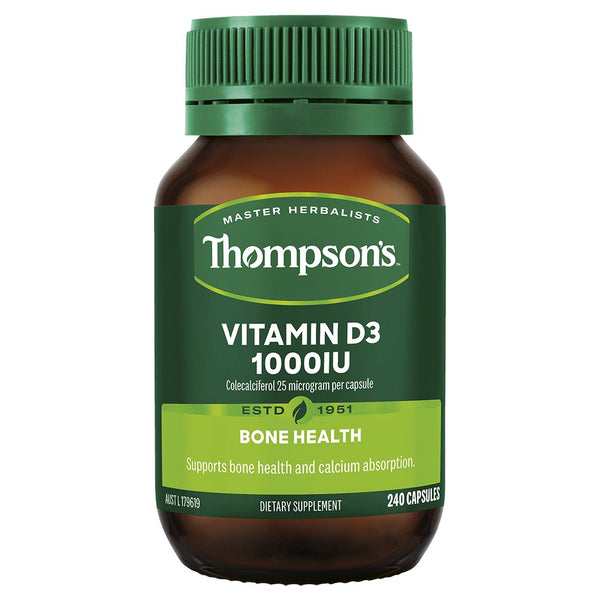 Sale Thompsons Vitamin D3 1000iu $27.95
Regular price $38.99Add to cart -
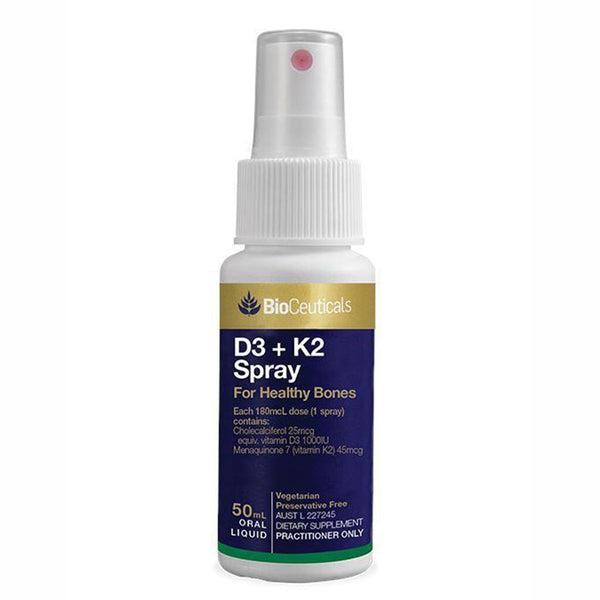 BioCeuticals D3 + K2 Oral Spray $42.95 Add to cart
-
 Sale GO Healthy Coq10 300mg + Vitamin D3 1000iu $35.95
Regular price $73.99Add to cart -
 Sale Carusos Vitamin D3 1000iu $22.95
Regular price $24.00Add to cart -
 Sale Blackmores Vitamin D3 1000iu $11.45
Regular price $12.49Add to cart -
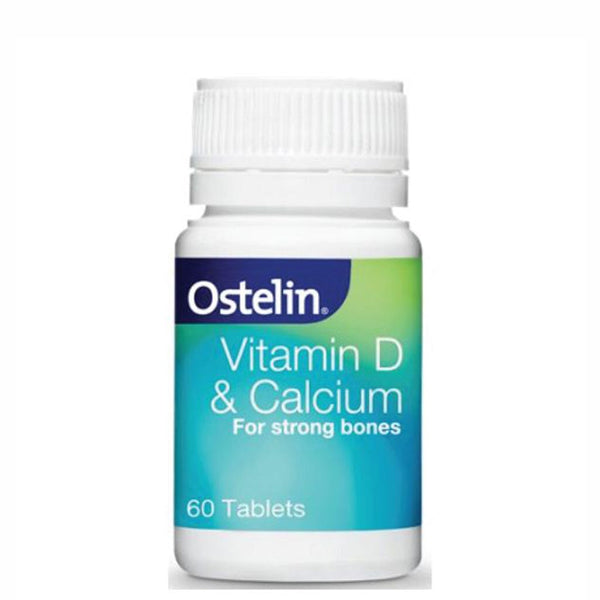 Sold out Ostelin Vitamin D & Calcium $16.95
Regular price $18.49 -
 Sale Swisse Ultiboost Vitamin D $11.95
Regular price $14.49Add to cart -
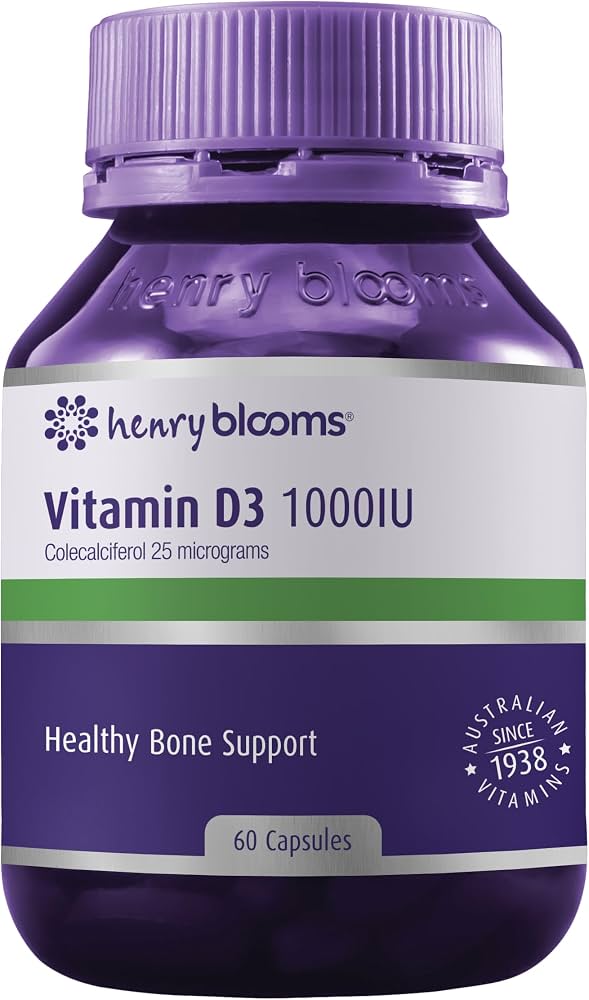 Sale Henry Blooms Vitamin D3 $7.45
Regular price $12.49Add to cart -
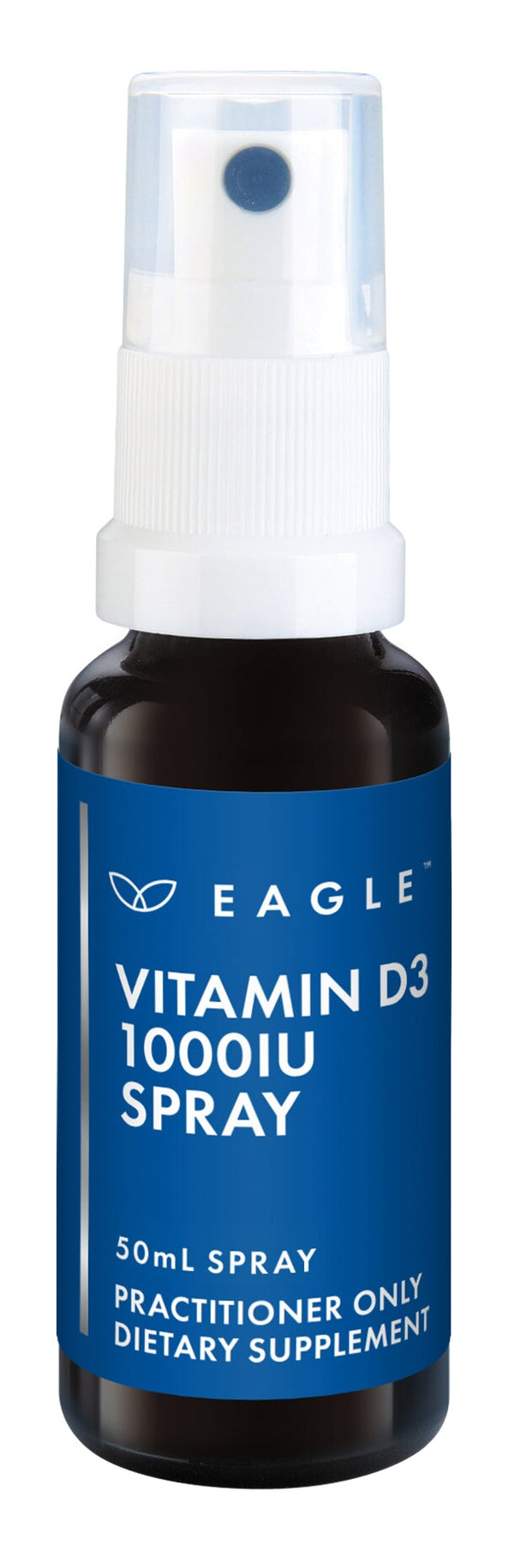 Sale Eagle Vitamin D3 1000IU Oral Spray $21.95
Regular price $25.17Add to cart -
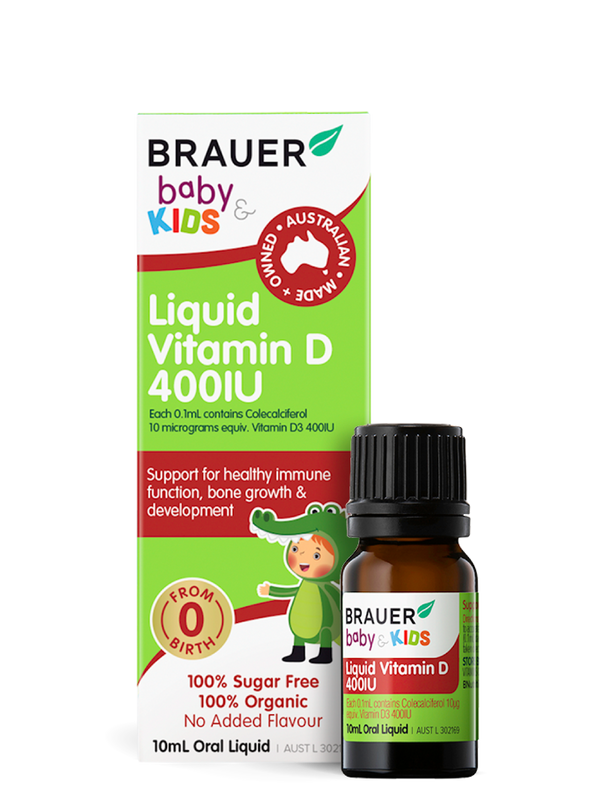 Sale Brauer Baby And Kids Liduid Vitamin D 400iu $21.95
Regular price $21.99Add to cart -
 Sold out Ostelin Vitamin D Kids Liquid $12.45
Regular price $17.99 -
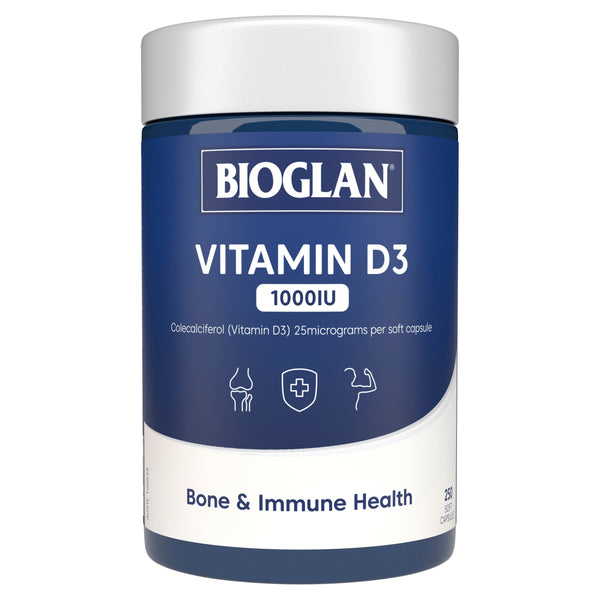 Sale Bioglan Vitamin D3 $17.95
Regular price $19.95Add to cart -
 Sale Natures Way Kids Smart Vita Gummies Calcium + Vitamin D $15.45
Regular price $16.49Add to cart -
 Sold out Natures Own Calcium Magnesium & Vitamin D3 $25.45
Regular price $27.99 -
 Sale Orthoplex White Vitamin D 1000IU $26.95
Regular price $29.50Add to cart -
 Sale Natures Way Kids Smart Calcium + Vitamin D3 $16.95
Regular price $16.99Add to cart -
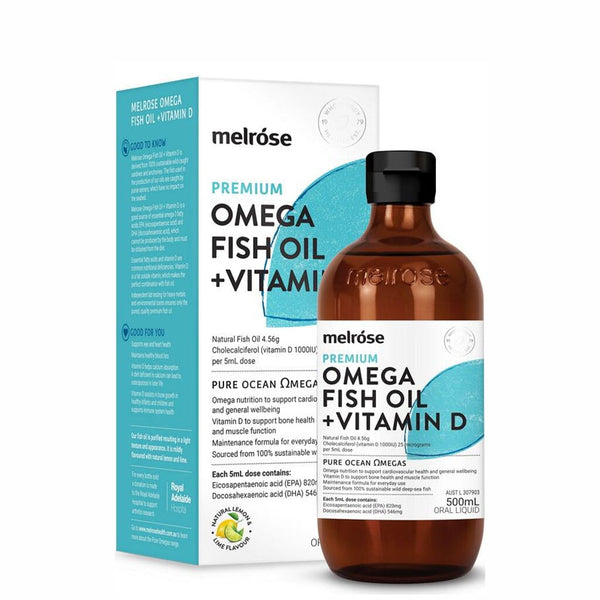 Sale Melrose Premium Omega Fish Oil + Vitamin D Liquid $35.95
Regular price $44.95Add to cart -
 Sale Ethical Nutrients Bone Builder With Vitamin D Powder $32.21
Regular price $42.95Add to cart -
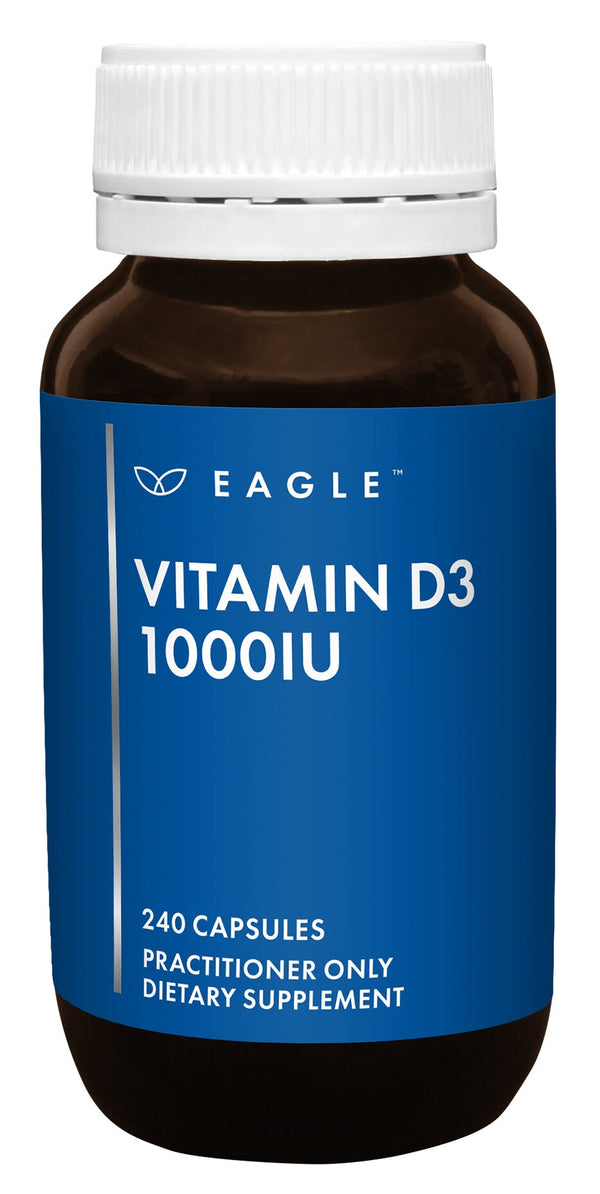 Sale Eagle Vitamin D3 1000IU $29.95
Regular price $33.47Add to cart -
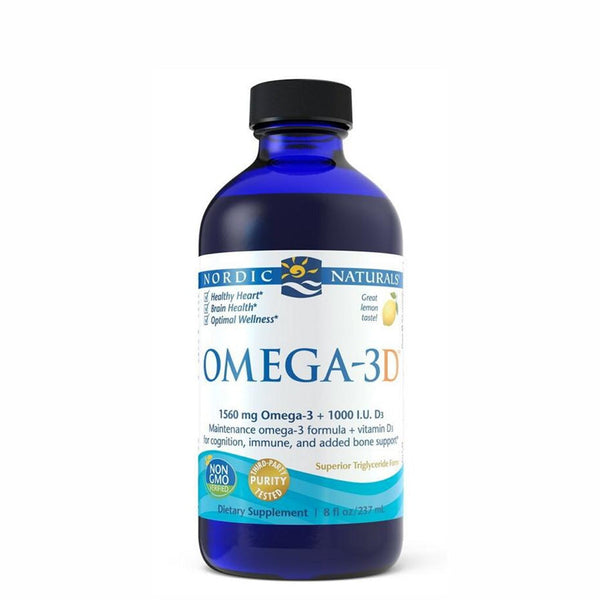 Sale Nordic Naturals Omega-3D Liquid $61.95
Regular price $62.40Add to cart -
 Sold out Medlab NanoCelle D3 + K2 Oral Spray $29.95
Regular price $39.00 -
 Sold out Ddrops Booster Liquid Vitamin D3 600IU $21.95
Regular price $22.95


Vitamin D Supplements Information
Always read the label and follow the directions for use.
Our Vitamin D Range at a Glance
Shop vitamin D by type: vitamin D3, kids vitamin D, vitamin K (for D3 and K2 formulas) and calcium with vitamin D. Popular picks include Herbs of Gold Vitamin D3, Whole Earth & Sea Vegan Vitamin D3, BioCeuticals D3 K2 Oral Spray and Brauer Baby & Kids Liquid Vitamin D 400IU.
| Type | Vitamin D per daily dose | Examples | Typical price |
|---|---|---|---|
| D3 capsules and tablets | 1,000 IU (25 mcg) | Blackmores, Bioglan, BioCeuticals, Caruso's | About $7 to $42 |
| Vegan D3 from lichen | 1,000 IU (25 mcg) | Herbs of Gold, Whole Earth & Sea | About $20 to $35 |
| Liquids, drops and sprays | 400 IU to 1,000 IU | Brauer, Herbs of Gold, BioCeuticals, Eagle | About $22 to $46 |
| Calcium with vitamin D | Up to 1,000 IU | Swisse, Healthy Care, Nature's Way | About $13 to $40 |
Prices are for in-stock products and change often. Stock varies by store, so Click & Collect is the easiest way to have your product waiting for you.
Explore more: read Vitamin D: when sunlight is not enough, or browse our calcium supplements, magnesium supplements and fish oil supplements.
Where Can I Buy Vitamin D Near Me in Sydney?
You will find us in Sydney, the Hunter and on the Sunshine Coast. Our stores have qualified naturopaths and nutritionists, so you can walk in for free advice on vitamin D any time during opening hours.
- Sydney: Chatswood, Bondi Junction, Parramatta, Ashfield, Brookvale (Warringah Mall) and Sydney CBD (World Square).
- Hunter region: Stockland Green Hills.
- Sunshine Coast: Maroochydore (Sunshine Plaza).
Addresses, opening hours and directions are on our store locations page. With free Click & Collect, we email you when your order is ready, usually within an hour during store opening hours.
What Is Vitamin D?
Vitamin D is a fat-soluble vitamin your skin makes when it is exposed to UV light from the sun[1][3]. Your body needs it for healthy bones and muscles[1]. Food gives most adults no more than 5% to 10% of what they need[7], so sunlight is the main source in Australia.
Supplements come in two forms. Vitamin D3 (colecalciferol) is the form your skin makes. Vitamin D2 (ergocalciferol) comes from UV-exposed fungi such as mushrooms and yeast. Almost every product in our range is D3.
What Vitamin D Labels Say It Is For
Labels in our range carry indications such as:
- Calcium absorption: vitamin D helps your body absorb calcium (Healthy Care, Herbs of Gold, Swisse).
- Bones and teeth: helps maintain bone health, bone strength and bone mineralisation, and supports healthy teeth (Healthy Care, Herbs of Gold, Swisse).
- Muscles: supports muscle function and muscle health (Healthy Care, Herbs of Gold, Micronutrition).
- Immune system: supports immune system health (Healthy Care, Herbs of Gold, Micronutrition).
- Vitamin D levels: helps prevent dietary vitamin D deficiency when sun exposure is inadequate (Micronutrition).
Always read the label and follow the directions for use. If symptoms persist, talk to your health professional.
The range also has practical benefits:
- One a day: most capsules give the full daily amount in one small softgel.
- Vegan options: Herbs of Gold Vegan Vitamin D3 1000 and Whole Earth & Sea Vegan Vitamin D3 use D3 from lichen. Most other D3 comes from lanolin in sheep's wool.
- Drops for children: Brauer Baby and Kids Liquid Vitamin D gives 400 IU in two drops, with directions from birth.
- D3 with K2: BioCeuticals D3 + K2 Oral Spray and Micronutrition Vitamin D3 and K2 Drops combine both vitamins.
- Large packs: 240 to 500 capsules last from about eight months to over a year at one a day.
Vitamin D3 vs D2: Which Is Better?
For raising blood vitamin D, D3 has the stronger evidence. A review of trials by Tripkovic and colleagues found D3 raised blood levels more than D2[9]. The gap was clearest with large single doses. With daily doses, the difference was not significant[9]. UK public research funders (BBSRC, MRC and NIHR) supported the work.
D2 suits people who want a fungal source. If you avoid animal products, vegan D3 from lichen gives you D3 without lanolin.
IU vs mcg: How to Read a Vitamin D Dose
Labels show vitamin D in micrograms (mcg or µg), often with international units (IU) beside it. One microgram equals 40 IU.
- 10 mcg = 400 IU
- 15 mcg = 600 IU
- 20 mcg = 800 IU
- 25 mcg = 1,000 IU
The label lists the ingredient as colecalciferol, with "equiv. vitamin D3" and the IU next to it.
How Much Vitamin D per Day?
Follow your label directions. In Australia, a listed medicine must not give more than 25 mcg (1,000 IU) of vitamin D a day[8]. So adult capsules in our range are one a day at 1,000 IU. Children's drops usually give 400 IU, and calcium tablets give part of the dose in each tablet.
An Australian and New Zealand position statement suggests at least 600 IU a day up to age 70, and 800 IU over 70, when sun exposure is minimal[7]. People at high risk may need more[7].
You may see 5,000 IU, 10,000 IU or 50,000 IU products searched for or sold overseas. Those amounts are above the limit for listed medicines[8]. If you think you need a higher dose, ask your doctor, who can test your level and prescribe it.
Who Is at Risk of Low Vitamin D in Australia?
In the 2011 to 2013 Australian Health Survey, 20% of adults aged 25 and over had low vitamin D (below 50 nmol/L)[4]. It was more common in winter and spring, in southern states and in people born outside Australia and the main English-speaking countries[4]. Groups at higher risk include[1][3]:
- people with naturally dark skin
- people who cover most of their skin for work, religious or cultural reasons
- older people who stay indoors most of the time, or live in care
- people who are pregnant or breastfeeding
- babies of mothers with low vitamin D[5]
- people who are obese, or take medicines or have conditions that affect absorption
- people who avoid the sun because of a high skin cancer risk
Cancer Council advises a balance. When the UV Index is 3 or above, most people keep up their vitamin D with a few minutes outdoors on most days[1]. Sun protection is still recommended at UV 3 and above, and sunscreen has little effect on vitamin D levels over time[1]. In late autumn and winter in southern Australia, UV can drop below 3. Then, time outdoors in the middle of the day with some skin uncovered helps[1]. If you are in a risk group, talk to your doctor about whether you need a supplement[1].
Should I Get a Vitamin D Blood Test?
Ask your GP. A blood test measures 25-hydroxyvitamin D, the form of vitamin D in your blood[2]. Medicare covers the test only for set reasons[2]. These include deeply pigmented skin, a long-term severe lack of sun, a condition that affects absorption, and medicines that lower vitamin D[2]. Some babies and children are also covered[2]. Outside those reasons, you may pay for the test.
Bring your result to our naturopaths and nutritionists. They can help you choose a product that fits your GP's advice.
Does Vitamin D Work? What the Research Shows
Vitamin D matters most for people whose levels are low. In a large Australian trial of older adults who were mostly not low in vitamin D, monthly doses showed no added effect:
- D-Health trial: 21,315 Australians aged 60 to 84 took 60,000 IU of D3 once a month, or a placebo (a dummy capsule), for up to five years. Deaths did not differ between the groups[6]. Falls were not reduced either, and the authors flagged a possible higher risk of falls in people of healthy weight[10]. Most people in the trial were not low in vitamin D. The National Health and Medical Research Council funded the trial.
- D3 and D2: D3 raised blood levels more than D2, mainly with large single doses[9].
- Australian guidance: a blood level of at least 50 nmol/L at the end of winter is the target for healthy bones and muscles[7].
So a supplement makes the most sense when you get little sun or are in a risk group. Your doctor or our naturopaths can help you decide.
Tablets, Capsules, Liquids, Sprays and Gummies
- Softgel capsules: the most common format, with the largest packs. Vitamin D is fat-soluble, so take it with a meal.
- Liquids and drops: for babies, children and anyone who prefers not to swallow a capsule.
- Oral sprays: one spray into the mouth, from BioCeuticals and Eagle.
- Gummies: chewable, often combined with calcium. Check the sugar content and the dose per gummy.
- Combinations: calcium, magnesium, vitamin K2 or fish oil with vitamin D.
Vitamin D Side Effects and Who Should Check First
Do not take more than the label says. Too much vitamin D over time can raise the calcium in your blood. Ask your doctor or pharmacist before starting if you:
- take a thiazide diuretic (a fluid tablet), as some labels warn it can raise calcium levels
- take other supplements with vitamin D, such as a multivitamin or calcium formula
- have kidney disease or a condition that affects calcium
- are pregnant or breastfeeding
- are buying for a child under 12, as many adult labels say only as directed by a health professional
How to Read a Vitamin D Label in Australia
- AUST L number: the product is a listed medicine on the Australian Register of Therapeutic Goods (ARTG).
- Active ingredient: colecalciferol (D3) or ergocalciferol (D2), in micrograms.
- IU: shown as "equiv. vitamin D3 1000 IU".
- Daily dose: no more than 25 mcg (1,000 IU) a day for a listed medicine[8].
- Source: lanolin, lichen (vegan) or fish oil.
- Warnings and allergens: many softgels contain soy or sulfites.
Choosing a Vitamin D: Five Checks
- Need: think about your sun exposure, your skin and whether you are in a risk group.
- Form: pick D3 unless you want a fungal source.
- Dose: check the IU per daily dose and add any vitamin D from other supplements.
- Format: choose a capsule, drop, spray or gummy you will take every day.
- Diet: choose lichen D3 if you are vegan.
- Advice: book a free 10-minute consultation or drop into a store.
References
- Cancer Council Australia (2026) Vitamin D. Available at: https://www.cancer.org.au/cancer-information/causes-and-prevention/sun-safety/vitamin-d (Accessed: 5 November 2026).
- Department of Health and Aged Care (2014) Medicare Benefits Schedule, item 66833: 25-hydroxyvitamin D quantification in serum. Available at: https://www9.health.gov.au/mbs/fullDisplay.cfm?type=item&q=66833 (Accessed: 5 November 2026).
- healthdirect Australia (2026) Vitamin D deficiency. Available at: https://www.healthdirect.gov.au/vitamin-d-deficiency (Accessed: 5 November 2026).
- Malacova, E. et al. (2019) 'Prevalence and predictors of vitamin D deficiency in a nationally representative sample of adults participating in the 2011-2013 Australian Health Survey', British Journal of Nutrition, 121(8), pp. 894-904. Available at: https://doi.org/10.1017/S0007114519000151. Funding: not stated in the abstract.
- Munns, C. et al. (2006) 'Prevention and treatment of infant and childhood vitamin D deficiency in Australia and New Zealand: a consensus statement', Medical Journal of Australia, 185(5), pp. 268-272. Available at: https://doi.org/10.5694/j.1326-5377.2006.tb00558.x. Funding: not stated in the abstract.
- Neale, R.E. et al. (2022) 'The D-Health Trial: a randomised controlled trial of the effect of vitamin D on mortality', The Lancet Diabetes & Endocrinology, 10(2), pp. 120-128. Available at: https://doi.org/10.1016/S2213-8587(21)00345-4. Funding: National Health and Medical Research Council.
- Nowson, C.A. et al. (2012) 'Vitamin D and health in adults in Australia and New Zealand: a position statement', Medical Journal of Australia, 196(11), pp. 686-687. Available at: https://doi.org/10.5694/mja11.10301. Funding: not stated in the abstract.
- Therapeutic Goods (Permissible Ingredients) Determination (No. 3) 2026 (Cth), F2026L01382, items 1534 (colecalciferol) and 2027 (ergocalciferol). Full text: https://www.legislation.gov.au/F2026L01382/latest (Accessed: 5 November 2026).
- Tripkovic, L. et al. (2012) 'Comparison of vitamin D2 and vitamin D3 supplementation in raising serum 25-hydroxyvitamin D status: a systematic review and meta-analysis', American Journal of Clinical Nutrition, 95(6), pp. 1357-1364. Available at: https://doi.org/10.3945/ajcn.111.031070. Funding: Biotechnology and Biological Sciences Research Council, Medical Research Council and National Institute for Health Research (UK).
- Waterhouse, M. et al. (2021) 'Vitamin D supplementation and risk of falling: outcomes from the randomized, placebo-controlled D-Health Trial', Journal of Cachexia, Sarcopenia and Muscle, 12(6), pp. 1428-1439. Available at: https://doi.org/10.1002/jcsm.12759. Funding: National Health and Medical Research Council.