

Stress & anxiety
Stress and anxiety support

Reviewed by Christina Hanley, BHSc (Nutritional Medicine), Health Content Lead · ANTA member #20854
Anxiety and chronic stress are among the most common reasons Australians come to us. The gap between a generic calming product and genuinely evidence-informed support is wide, and it is worth understanding before you buy anything.
Our approach starts with nutritional status, because the nervous system cannot regulate without the raw materials, and then moves to targeted herbal support. Below is how that works and who can help you apply it.

- Naturopath-curated range Every product here is reviewed by our in-house naturopaths before it earns a place on the shelf.Meet the team who review our range
- Evidence-led, not trend-led We stock what the clinical research supports, and we say plainly where the evidence is still thin.How we write and review this content
- Practitioner-grade included Clinical ranges normally reserved for consult rooms sit alongside everyday brands.Browse practitioner brands in the directory
- Free consults, in store and online Book a free 10-minute online consult by phone or chat, or a free 15-minute naturopath consult in store.Book your free 10-minute consult
How nutritional support actually works for stress
The nervous system's capacity to regulate stress depends on nutritional status. Before reaching for a herb, it is worth understanding which raw materials the calming pathways actually need, because that is usually where the gap is.
Why start with magnesium for stress?
Magnesium is the primary cofactor in GABA production, the brain's main calming neurotransmitter, and its role across 300-plus enzyme systems is well documented (de Baaij et al., 2015). Australia's national nutrition data still records inadequate magnesium intakes among adults, though the proportion has fallen since 2011-12 (ABS, Usual nutrient intakes 2023).
It is also the cheapest place to start, which is why our practitioners nearly always check it first.
How do B vitamins support mood and stress?
Serotonin, dopamine and GABA are all synthesised using B vitamins as cofactors, particularly B6, folate and B12. A common genetic variation known as MTHFR can reduce how efficiently standard folic acid is converted, which is why activated forms such as methylfolate and P5P are often the more reliable choice.
How do adaptogens like ashwagandha work?
Adaptogenic herbs act on the HPA axis, the hormonal system that governs the stress response. Ashwagandha has the strongest evidence base, with multiple randomised controlled trials showing reductions in cortisol and anxiety scores with consistent use (Chandrasekhar et al., 2012; Lopresti et al., 2019).
Rhodiola suits the burnout and exhaustion pattern better, and has been studied in that setting specifically (clinical trial, 2018). They are not interchangeable, and matching the herb to the pattern matters more than the dose.
What helps acute tension versus chronic stress?
Lemon balm (review, 2024), passionflower (randomised trial, 2001) and kava (randomised trial, 2020) act more directly on GABA pathways and suit acute nervous tension. Adaptogens work over weeks and suit sustained load. Saffron has emerged as one of the more compelling ingredients for mood, with research comparing favourably to some pharmaceutical options in trials of mild to moderate low mood (meta-analysis, 2019).
Knowing which pattern you are in changes what you should be taking.
When should you seek professional help for anxiety?
Nutritional support is not a treatment for a diagnosed anxiety disorder or depression, and it is not a substitute for psychological care. Speak with your GP if anxiety is affecting your work, relationships or sleep, if it has persisted for months, or if you have thoughts of harming yourself.
If you are on antidepressants, check with your GP or pharmacist before adding St John's Wort or saffron, as interactions are well documented (systematic review of clinical trials).
How does stress connect to healthy ageing?
Chronic stress raises cortisol, depletes neurotransmitter precursors and, over time, affects brain tissue and sleep quality. Managing stress load is not a wellness luxury, it is one of the underlying levers for cognition and healthy ageing.
Common questions
- What is the best supplement for anxiety and stress?
There is no single best supplement for anxiety, because the right choice depends on the pattern. Our practitioners usually start with magnesium and activated B vitamins to address nutritional status, then add an adaptogen such as ashwagandha for sustained stress, or lemon balm and passionflower for acute nervous tension.
- How long does ashwagandha take to work?
Ashwagandha works cumulatively rather than acutely. Most clinical trials measure results at eight to twelve weeks of consistent daily use, and that is a reasonable expectation. If you need something for acute tension in the moment, a GABA-acting herb is a better fit than an adaptogen.
- Can I take stress supplements with antidepressants?
Some do interact. St John's Wort has well-documented interactions with SSRIs and a range of other medications, and saffron should also be discussed with your prescriber. Always tell your GP or pharmacist what you are taking, and speak with one of our practitioners before combining herbal support with prescribed medication.
- Is magnesium really useful for anxiety?
Magnesium is a cofactor in GABA production, the brain's main calming pathway, and deficiency is common in Australian adults. It is not a treatment for anxiety, but correcting a genuine deficiency often improves stress sensitivity and sleep, which is why our naturopaths check it before anything else.
- What is the difference between stress and anxiety?
Stress is a response to an identifiable external demand and usually settles when the demand passes. Anxiety persists without a clear trigger and can build on itself. Nutritional support helps with the physiological load of both, but persistent anxiety warrants a conversation with your GP.
This information is general in nature and is not a substitute for personalised medical advice. Always read the label and follow the directions for use. Speak with your GP or specialist before starting any supplement, particularly if you are pregnant, breastfeeding, managing a health condition or taking prescription medication.
The people behind the advice
Stress and anxiety are the conversations our naturopaths have most often.
-

BHSc (Nutritional Medicine), Health Content Lead
ANTA member #20854 · 8 years clinical experience
Stress management is one of Christina's named focus areas, and she reviews the health content on this page.
Find me in our Online store
-

Nutritionist
Samira is a nutritionist whose focus areas include stress management, immunity and children's and women's health.
-

Stress and adrenal health is one of Adrian's named focus areas, alongside energy and performance.
Find me in our World Square store
Chosen by our practitioners
Products our practitioners have chosen and checked. Genuine selections, not paid placements.
Product details shown here are taken from each product's published listing and checked before they appear. Where a product is a listed medicine its AUST L number is shown: listed medicines are assessed by the TGA for quality and safety, not for efficacy. Practitioner-only ranges are not shown here.

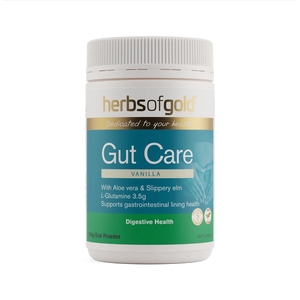
A naturally sweetened vanilla powder that mixes into water or juice. Each 5g serve provides 3.5g of L-glutamine alongside aloe vera, deglycyrrhizinated licorice, calendula, slippery elm, quercetin, zinc and Saccharomyces boulardii. No artificial colours, flavours or sweeteners. Contains soya and sulfites.
Full product information and directions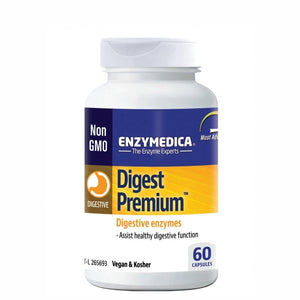
A plant-based, full-spectrum enzyme blend of protease, amylase, lipase, cellulase and lactase, taken as one capsule with each meal, up to three times daily. 100% vegetarian and free from dairy, egg, soy, wheat, yeast and artificial additives.
Full product information and directions
Always read the label and follow the directions for use.
Shop the range
Shop all- ${ variant.price | currencyFromCents } | ${ variant.title } ${ variant.price | currency } | ${ variant.title }

- ${ variant.price | currencyFromCents } | ${ variant.title } ${ variant.price | currency } | ${ variant.title }
- ${ variant.price | currencyFromCents } | ${ variant.title } ${ variant.price | currency } | ${ variant.title }
- ${ variant.price | currencyFromCents } | ${ variant.title } ${ variant.price | currency } | ${ variant.title }
- ${ variant.price | currencyFromCents } | ${ variant.title } ${ variant.price | currency } | ${ variant.title }
- ${ variant.price | currencyFromCents } | ${ variant.title } ${ variant.price | currency } | ${ variant.title }
- ${ variant.price | currencyFromCents } | ${ variant.title } ${ variant.price | currency } | ${ variant.title }
- ${ variant.price | currencyFromCents } | ${ variant.title } ${ variant.price | currency } | ${ variant.title }
Stress & mood reading
Practitioner-written guides on the nervous system and what supports it.


Nervous System Recovery for Athletes: Improve Sleep, Performance and Training Results
Read more
Nervous System Regulation: How to Recover from Chronic Stress Naturally
Modern life isn't slowing down, and neither is the pressure that comes with it. But what if the goal wasn't to escape stress, but to get better at handling it?
Read more
Nervous System Recovery for Athletes: Improve Sleep, Performance and Training Results
You train hard, eat well and show up every day, but if sleep is still letting you down, you might be missing a key piece of your recovery.
Read more