

Sleep & recovery
Natural sleep support

Reviewed by Christina Hanley, BHSc (Nutritional Medicine), Health Content Lead · ANTA member #20854
Most people who cannot sleep do not have one problem, they have a pattern. Trouble falling asleep, waking at 3am, and waking unrefreshed after eight hours point in three different directions, and each needs different support.
Our naturopaths work backwards from the pattern. Below is what sits behind each one, the range we have curated for it, and the people who can help you work out which is yours.

- Naturopath-curated range Every product here is reviewed by our in-house naturopaths before it earns a place on the shelf.Meet the team who review our range
- Evidence-led, not trend-led We stock what the clinical research supports, and we say plainly where the evidence is still thin.How we write and review this content
- Practitioner-grade included Clinical ranges normally reserved for consult rooms sit alongside everyday brands.Browse practitioner brands in the directory
- Free consults, in store and online Book a free 10-minute online consult by phone or chat, or a free 15-minute naturopath consult in store.Book your free 10-minute consult
Why you are not sleeping
Sleep is not one function. Falling asleep, staying asleep and reaching deep restorative sleep are governed by different systems, which is why a product that works brilliantly for one person does nothing for the next.
What are the three patterns of poor sleep?
Sleep onset. You lie awake for an hour or more. This is usually a circadian timing or melatonin issue, often made worse by evening screen light.
Sleep maintenance. You fall asleep fine and wake between 2am and 4am. This is more often blood sugar, cortisol or hormonal.
Non-restorative sleep. You sleep eight hours and wake exhausted. This points at sleep quality, magnesium status, or an undiagnosed issue like sleep apnoea worth raising with your GP.
How does magnesium help sleep?
Magnesium is a cofactor in GABA production, the brain's primary calming neurotransmitter, and it supports normal muscle relaxation. Its role across 300-plus enzyme systems is well documented (de Baaij et al., 2015). Australia's national nutrition data still records inadequate magnesium intakes among adults, though the proportion has fallen since 2011-12 (ABS, Usual nutrient intakes 2023).
Form matters. Glycinate is gentle and well absorbed for nervous system support. Citrate is better tolerated by some but has a laxative effect at higher doses. Oxide is poorly absorbed.
What does melatonin actually do?
Melatonin is a timing signal, not a sedative. It tells the body when night has begun. That makes it genuinely useful for sleep-onset delay, shift work and jet lag (meta-analysis, PLOS ONE 2013), and far less useful if your problem is waking at 3am.
In Australia, adults over 55 can buy a slow-release form of melatonin over the counter, and younger adults need a prescription (healthdirect). Talk to our team about what applies to you.
How do stress and sleep affect each other?
Chronic stress raises evening cortisol, which suppresses the natural rise in melatonin. Poor sleep then raises cortisol further the following day. It is a loop, and it usually has to be broken from both ends at once.
That is why our practitioners often address stress support and sleep support together rather than sequentially.
Do sleep supplements work without sleep hygiene?
No supplement outperforms a consistent wake time, a cool dark room and getting daylight into your eyes within an hour of waking. These are free, and they set the circadian rhythm that everything else works with.
Use nutritional support to close the remaining gap, not to substitute for the basics.
How does sleep connect to healthy ageing?
Sleep is when the brain clears metabolic waste, consolidates memory and regulates hormones. It sits underneath cognition, stress resilience and the menopausal transition alike. Improving sleep is one of the highest-leverage things you can do for healthy ageing.
Common questions
- Why do I keep waking at 3am?
Waking at around 3am most often reflects a blood sugar dip or a cortisol rise rather than a melatonin problem. In women it can also be hormonal, particularly through perimenopause. Magnesium, protein at the evening meal and stress support address this pattern more reliably than a sleep-onset product does.
- What is the best magnesium for sleep?
For sleep and nervous system support, magnesium glycinate is generally the best tolerated and best absorbed form. Magnesium citrate is a reasonable alternative but can loosen the bowels at higher doses. Magnesium oxide is cheap and poorly absorbed, so it is not our practitioners' first choice for sleep.
- Can I take melatonin every night?
Melatonin is well tolerated in the short term, and clinical reviews support its use for sleep-onset delay (meta-analysis, 2013). Long-term nightly use should be guided by a healthcare professional, particularly for children and teenagers. In Australia, availability depends on your age and the strength, so check with our team or your pharmacist.
- How long do sleep supplements take to work?
Melatonin and some herbal preparations can have an effect on the first night. Magnesium and nutritional support are cumulative and usually take two to four weeks to show a consistent difference. Give any nutritional approach at least a month before judging it.
- Should I see a doctor about my sleep?
See your GP if you snore heavily or stop breathing in your sleep, if you have been sleeping badly for more than three months, if you fall asleep during the day, or if low mood is part of the picture. Sleep apnoea and depression both present as poor sleep and both need medical assessment.
This information is general in nature and is not a substitute for personalised medical advice. Always read the label and follow the directions for use. Speak with your GP or specialist before starting any supplement, particularly if you are pregnant, breastfeeding, managing a health condition or taking prescription medication.
The people behind the advice
Matched to this topic by their focus areas: sleep, the nervous system and the stress patterns that sit behind poor sleep.
-

Sleep, fatigue and anxiety are among Amanda's named focus areas, and she is part of the online team that takes the free 10-minute consults.
Via our Online phone & chat support
-

Shuchna works across nervous system support and mental and emotional wellbeing, the systems behind most stress-driven sleep loss.
Find me in our Parramatta store
-
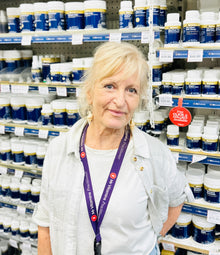
Adv. Dip. (Naturopathy), Naturopath
Alison's focus areas are stress and anxiety and digestive health, and she builds individual herbal liquid mixes where a standard formula does not fit.
Find me in our 394 Chatswood store
Shop the range
Shop all- ${ variant.price | currencyFromCents } | ${ variant.title } ${ variant.price | currency } | ${ variant.title }

- ${ variant.price | currencyFromCents } | ${ variant.title } ${ variant.price | currency } | ${ variant.title }
- ${ variant.price | currencyFromCents } | ${ variant.title } ${ variant.price | currency } | ${ variant.title }
- ${ variant.price | currencyFromCents } | ${ variant.title } ${ variant.price | currency } | ${ variant.title }
- ${ variant.price | currencyFromCents } | ${ variant.title } ${ variant.price | currency } | ${ variant.title }
- ${ variant.price | currencyFromCents } | ${ variant.title } ${ variant.price | currency } | ${ variant.title }
- ${ variant.price | currencyFromCents } | ${ variant.title } ${ variant.price | currency } | ${ variant.title }
- ${ variant.price | currencyFromCents } | ${ variant.title } ${ variant.price | currency } | ${ variant.title }
Sleep reading
Practitioner guides on what works, and what the evidence actually shows.


Best Sleep Support Supplements | A Practitioner Guide
Rest is not a reward, it is a requirement. Sleep underpins nearly every aspect of your health, and the science behind it is worth understanding.
Read more
4 Ways To Improve Sleep Quality
Clocking eight hours but still waking up exhausted? It might not be how long you sleep, but how well. Here's what to do about it.
Read more