

Womens Hormone Supplements
Some filters could not be applied and were reset.
-
 Designs For Health Whole Body Collagen Powder $65.95 Add to cart
-
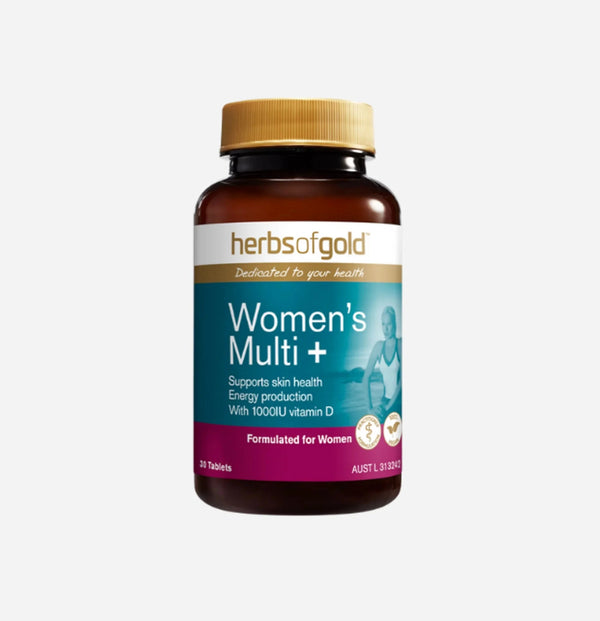 Sale Herbs Of Gold Womens Multi + $20.10
Regular price $33.50Add to cart -
 Sale Herbs Of Gold Hormone Metabolism $35.70
Regular price $59.50Add to cart -
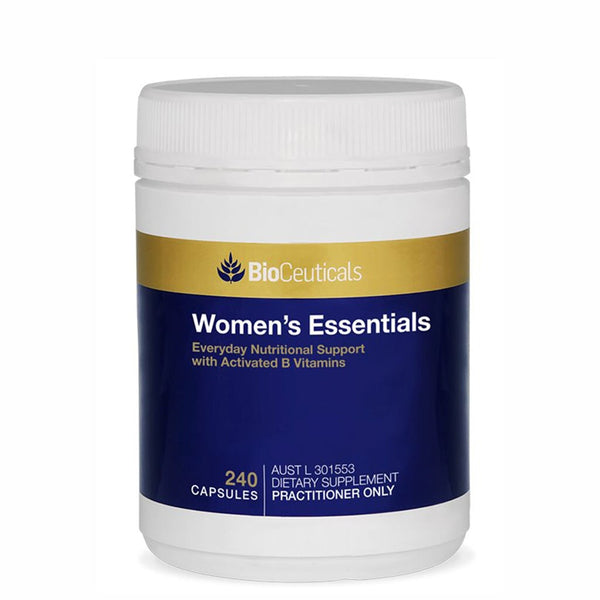 BioCeuticals Womens Essentials $43.95 Add to cart
-
 Sale Herbs Of Gold Saffron Mood Balance $26.37
Regular price $43.95Add to cart -
 Sale Cabot Health Tyrosine Pure Mood Food Powder $24.95
Regular price $25.50Add to cart -
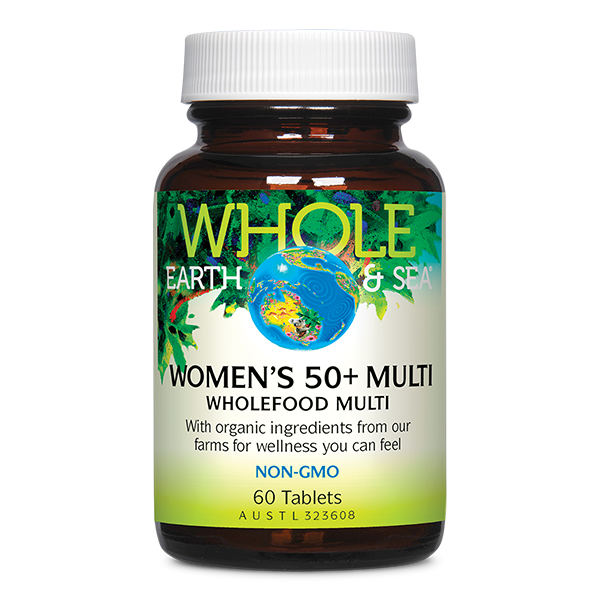 Whole Earth And Sea Womens 50 Plus Multi $29.95 Add to cart
-
 Sale JSHealth Hormone Pms Support $42.95
Regular price $49.99Add to cart -
 Whole Earth And Sea Womens Multi $29.95 Add to cart
-
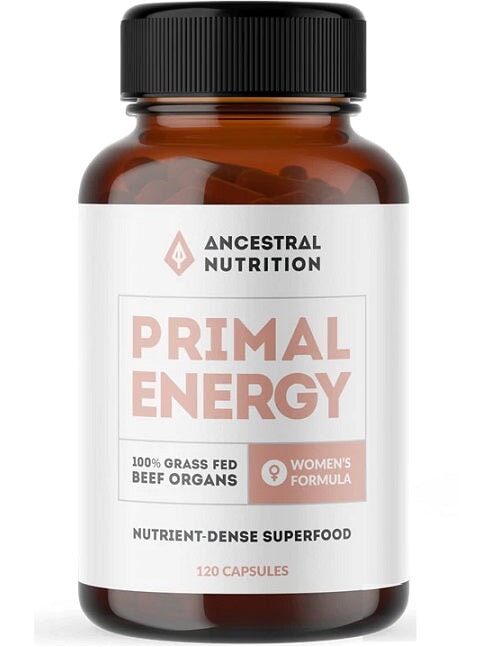 Ancestral Nutrition Primal Energy Womens 120 Capsules $39.95 Add to cart
-
 Sale Harmony PMS Support $62.45
Regular price $65.33Add to cart -
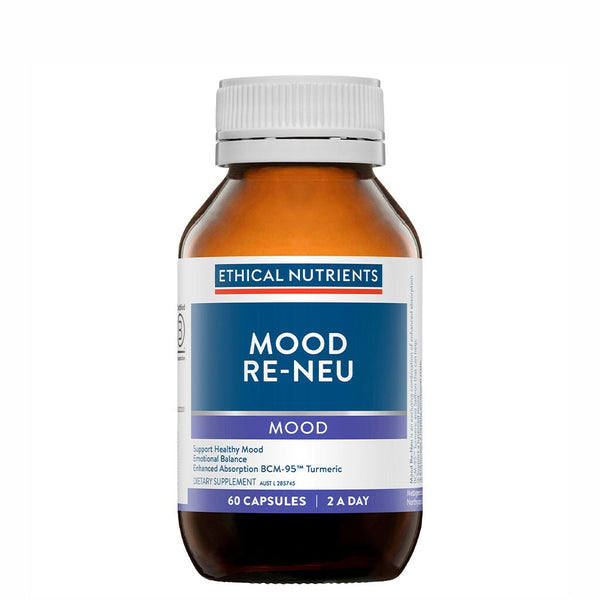 Sold out Ethical Nutrients Mood Re-Neu $49.46
Regular price $65.95 -
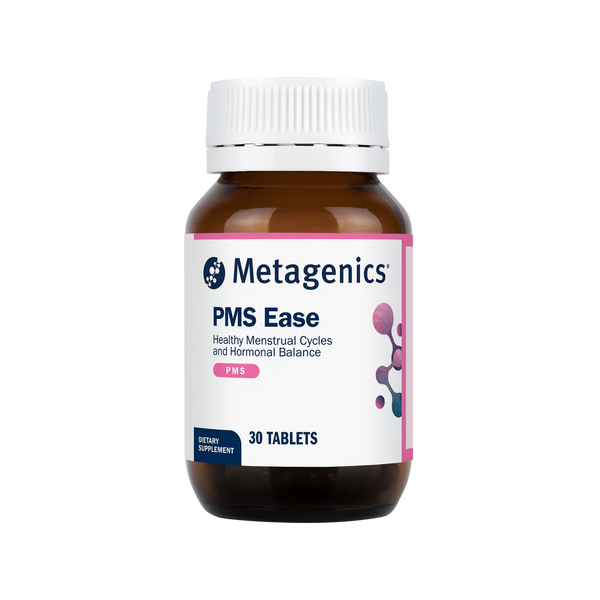 Metagenics PMS Ease $43.95 Add to cart
-
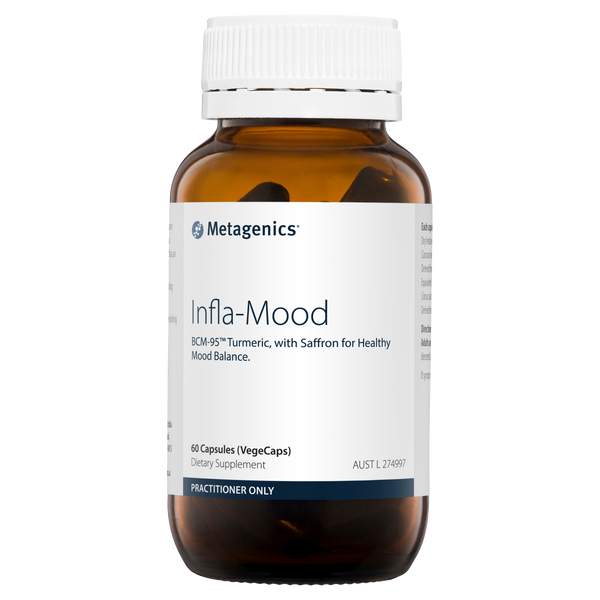 Metagenics Infla-Mood $92.95 Add to cart
-
 Metagenics UltraFlora Womens Probiotic $64.95 Add to cart
-
 Sale Ora Mag3 Mood Powder $63.95
Regular price $65.95Add to cart -
 Sold out Onnit New Mood Mood & Relaxation $79.90
-
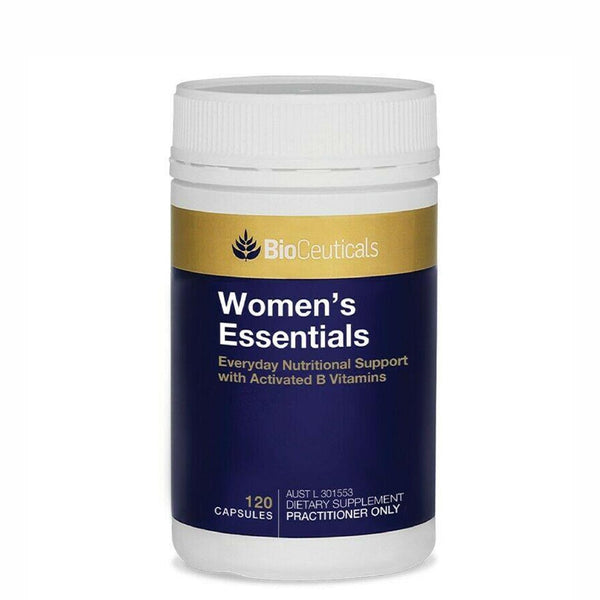 Sold out BioCeuticals Womens Essentials $32.95
Regular price $40.50 -
 Sold out Me Today Womens Daily $24.99
Regular price $37.99 -
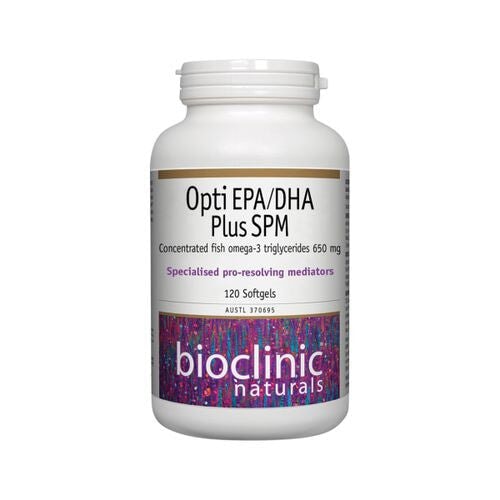 Bioclinic Naturals Opti EPA/DHA+SPMs enteric coated softgels 120 Capsules $94.90 Add to cart
-
 Juniper Deprimere Aromatherpy Pulse Point - mood support - Practitioner Recommended $25.95 Add to cart
-
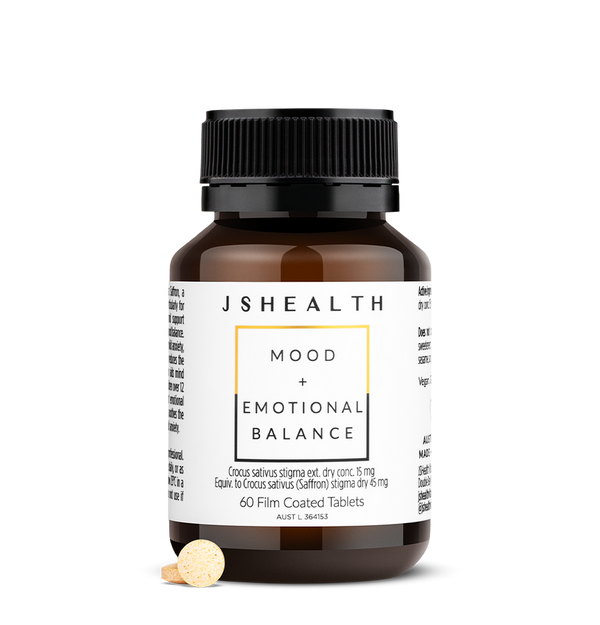 Sale JSHealth Mood + Emotional Balance $37.95
Regular price $44.99Add to cart -
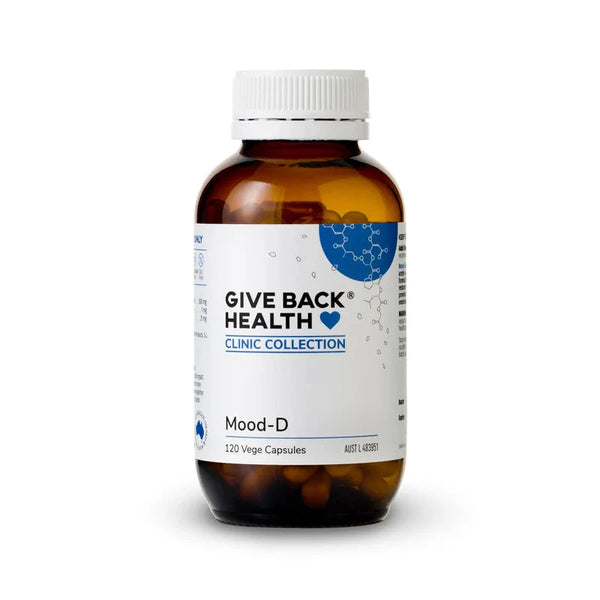 Give Back Health Clinic Collect Mood D $56.00 Add to cart
-
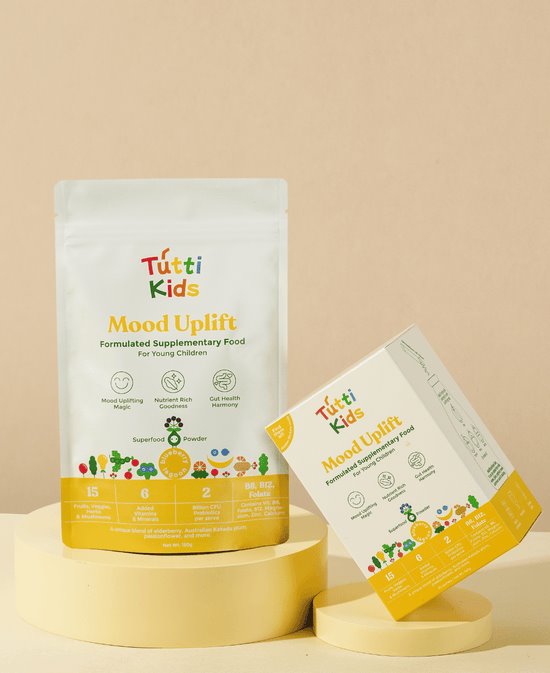 Sold out Tutti Kids Mood Uplift Pouch $41.00


Womens Hormone Supplements Information
Many formulas in our range are built around chaste tree (vitex, the fruit of a Mediterranean shrub), saffron, magnesium or vitamin B6. Each of these has been studied for premenstrual symptoms.[7][9][10][11] We stock more than 20 options from brands such as Herbs of Gold, JSHealth, Harmony, WelleCo, Whole Earth & Sea and Wanderlust. You can choose from PMS supplements, saffron and magnesium mood blends and multivitamins made for women, in tablets, capsules, powders and liquids. Our qualified naturopaths and nutritionists offer a free 10-minute consultation, so you can choose with expert advice.
Always read the label and follow the directions for use.
| Your goal | Common ingredients | Formats | Price range |
|---|---|---|---|
| PMS and a regular cycle | Chaste tree, vitamin B6, dong quai, peony, magnesium | Tablets, capsules | About $37 to $62 |
| Mood and calm across the month | Saffron, magnesium with herbs, St John's wort, tyrosine | Capsules, tablets, powders, liquid | About $25 to $64 |
| Everyday nutrients for women | Women's multivitamins with iron, iodine, B vitamins and vitamin D | Tablets, capsules | About $24 to $51 |
| Herbal tonics and liver herbs | Shatavari, wild yam, broccoli sprout, St Mary's thistle | Liquid, tablets | About $39 to $41 |
Prices change often. These ranges are at current prices for items in stock on 25 October 2026. If you are going through perimenopause or menopause, our Natural Menopause Supplements range is made for that stage.
Why Women May Need Hormone Support
Shop hormone support by type: Women's Health Supplements, Magnesium for Women, Stress and Mood Supplements and Natural Menopause Supplements.
Hormones are chemical messengers that tell your body what to do and when. Two of them, oestrogen and progesterone, rise and fall across your cycle each month. That is normal and healthy.
About 9 in 10 women notice some changes in the week or two before a period.[1][2] This is called premenstrual syndrome (PMS). Common signs include:
- sore or swollen breasts
- bloating and cramps
- headaches or poor sleep
- mood changes, or feeling irritable or teary
If you have PMS, your hormone levels are most likely normal. Your body may simply be more sensitive to their natural rise and fall.[1] A good supplement aims to ease your symptoms and support a healthy cycle.
Two other things can make the month feel harder:
- Low iron: your period uses up iron. Women aged 19 to 50 need 18 mg a day, more than double the 8 mg that men need.[4] Heavy periods make it more likely that you will run low.
- Low calcium and vitamin D: women who get plenty of calcium from food, and enough vitamin D, are less likely to develop PMS.[5] GlaxoSmithKline, then a maker of calcium supplements, part-funded that research.
Key Benefits of Hormone Support Supplements
Many of our hormone formulas are listed medicines, which carry an AUST L number. Listed medicines can only make claims from the Therapeutic Goods Administration's (TGA) approved list.[6] Their approved benefits include these, and they are easy to fit into your day:
- PMS relief: Harmony PMS Support helps relieve symptoms of premenstrual tension, such as mood changes and breast tenderness. WelleCo The PMS Elixir relieves symptoms of premenstrual tension such as bloating and mood swings. It also supports healthy hormone balance in women.
- A regular cycle: chaste tree is traditionally used in Western herbal medicine to help relieve irregular periods. You will find it in JSHealth Hormone + PMS Support.
- Period pain: Wanderlust Women's Multi+ is traditionally used in Western herbal medicine to relieve period pain. Harmony PMS Support helps relieve cramping and menstrual pain.
- Mood: the saffron in Herbs of Gold Saffron Mood Balance and JSHealth Mood + Emotional Balance supports healthy mood balance. Both products also help relieve symptoms of mild anxiety.
- Stress and sleep: Ora Mag3 Mood is traditionally used in Western herbal medicine to relieve symptoms of stress. Herbs of Gold Saffron Mood Balance helps improve sleep quality.
- Energy: Herbs of Gold Women's Multi+ supports energy production and general wellbeing.
- Easy to fit in: choose tablets, capsules, powders or liquids, many taken once a day. At current prices, a one-a-day women's multivitamin works out at under 60 cents a day.
If symptoms persist, talk to your health professional.
Always read the label and follow the directions for use.
Types of Vitamins and Supplements That Support Female Hormones
Each ingredient in our hormone range has its own use and its own level of effectiveness.
| Type | Used for | What to know |
|---|---|---|
| Chaste tree (vitex) | PMS symptoms, irregular periods | May ease PMS symptoms such as mood changes, irritability and breast tenderness.[7] Results can vary from product to product.[8] |
| Vitamin B6 | PMS symptoms | Found in many PMS formulas. It may help, although the evidence is mixed.[9] |
| Magnesium | Bloating before a period | May help with bloating and breast tenderness after a couple of months.[10] |
| Saffron | Mood and PMS symptoms | Supports healthy mood balance and may also ease PMS symptoms.[11] |
| Women's multivitamins | Everyday needs, including iron | A simple way to fill gaps when your diet falls short. They should not replace a balanced diet. |
| Dong quai, peony, shatavari, wild yam | Cycle support, period pain, female tonic | Long used in traditional herbal medicine, with little modern research. |
| Broccoli sprout, St Mary's thistle | Liver support formulas | There is very little research on how they affect women's hormones. |
| St John's wort | Mood | Changes the way many medicines work, including the pill, so check with your doctor first.[12] |
Chaste tree is best taken with advice from a qualified naturopath or health professional. It should not be taken with the pill.[1] Vitamin B6, magnesium and evening primrose oil are also used for PMS.[1]
Food Comes First
- Calcium and vitamin D: these are among the best-supported nutrients for PMS.[1] High-dose calcium has eased PMS symptoms in a study part-funded by SmithKline Beecham, which then made Tums antacid tablets.[13] Doses like this are far more than a multivitamin holds. None of our hormone formulas are sold for this use. Dairy foods are an easy source. Talk to your doctor before you take high-dose calcium.
- Iron: beef, lamb, chicken, fish, beans, lentils and iron-fortified cereals all supply iron. Eat them with fruit or vegetables, because vitamin C helps your body absorb it.[4]
- Daily habits: aim for about 30 minutes of moderate activity on most days. Drink plenty of water, get enough sleep, and cut back on sugary, caffeinated and alcoholic drinks.[2]
Giving A Supplement Time to Work
Your cycle is about a month long, so changes take time to show. Most natural medicines need at least three months before you can tell whether they are working for you.[1]
- Note how you feel each day for one or two cycles before you start, on paper or in a phone app.
- Start one new product at a time, so you can tell what is helping.
- Keep your notes going, then compare them after three cycles.
- If nothing has changed, talk to one of our naturopaths or your doctor.
Side Effects and Who Should Check First
A natural product can still be the wrong choice for you. Talk to your doctor or pharmacist first if any of these apply:
- You take the pill: chaste tree may affect hormones and medicines such as the pill. St John's wort affects the way many medicines work, including the pill.[12]
- You are pregnant, breastfeeding or trying for a baby: many hormone formulas are not for use at these times.
- You take prescription medicines: ask before you add any supplement.
- You are under 18: many of these products are for adults only.
- You already take vitamin B6: many PMS formulas contain it, so add up the B6 across all your products. If you feel tingling, burning or numbness, stop and see your doctor.[12]
See your doctor if you have any of these:[2][3]
- very heavy or very painful periods
- bleeding between periods
- periods that become irregular
- strong mood symptoms, or symptoms that stop you doing everyday things
- PMS that gets in the way of your work, study or quality of life[1]
How to Read the Label
- AUST L number: the product is a listed medicine. Listed medicines can only use low-risk ingredients from an approved list. The TGA does not test each one to see if it works before it goes on sale.[14]
- "Traditionally used": the benefit rests on long use in Western, Chinese or Ayurvedic herbal medicine. Claims like these do not need modern clinical studies.
- Warnings: read each one. Look out for the pill warning on chaste tree and St John's wort, the tingling warning on vitamin B6 and the liver warning on turmeric.[12]
- Dose: check how much of each ingredient you get in a day. For saffron, look for around 30 mg a day.[11]
How to Choose a Hormone Support Supplement
- Name your main concern: PMS, mood, energy or a regular cycle.
- Match the ingredient to it: for example, chaste tree for PMS or saffron for mood.
- Look for an AUST L number: it tells you the product is a listed medicine.
- Check the warnings: take extra care if you are on the pill or other medicines.
- Count your vitamin B6: add it up across everything you take.
- Give it three cycles: keep notes on how you feel as you go.
- Ask us: book a free 10-minute consultation with one of our naturopaths.
Why Buy Your Hormone Support Supplements from Mr Vitamins
- Free advice from qualified naturopaths and nutritionists, in store and online, with no obligation to buy.
- Trusted since 1992, with eight stores across Sydney, the Hunter region and the Sunshine Coast.
- Free Click & Collect in store. Free standard shipping on orders over $120 in NSW and the ACT, or over $150 in QLD, VIC, SA, TAS and WA (NT calculated at checkout).
- Rated 4.7 stars from more than 3,200 customer reviews.
- The studies behind this page are referenced below and the listed medicines are named, so you can check both for yourself.
Explore more with our Iron Supplements for Women, Multivitamins, Probiotics for Women and Omega-3 for Women ranges, or read our blog Is It Perimenopause or Menopause?
References
- Jean Hailes for Women's Health (2023) PMS: fact versus fiction. Available at: https://www.jeanhailes.org.au/articles/pms-fact-versus-fiction/ (Accessed: 25 October 2026).
- Better Health Channel (2024) Premenstrual syndrome (PMS). Victoria State Government. Reviewed 5 August 2024. Available at: https://www.betterhealth.vic.gov.au/health/conditionsandtreatments/premenstrual-syndrome-pms (Accessed: 25 October 2026).
- Willis, O. (2025) 'What does it mean to "balance" your hormones? Women's health experts separate hormone fact from fiction', ABC News, 20 February. Available at: https://www.abc.net.au/news/health/2025-02-20/hormone-balancing-fertility-supplements-womens-health-pregnancy/104899050 (Accessed: 25 October 2026).
- Better Health Channel (2015) Iron. Victoria State Government. Available at: https://hnb.dhs.vic.gov.au/bhcv2/bhcpdf.nsf/ByPDF/Iron_explained/$File/Iron_explained.pdf (Accessed: 25 October 2026).
- Bertone-Johnson, E.R., Hankinson, S.E., Bendich, A., Johnson, S.R., Willett, W.C. and Manson, J.E. (2005) 'Calcium and vitamin D intake and risk of incident premenstrual syndrome', Archives of Internal Medicine, 165(11), pp. 1246-1252. doi: 10.1001/archinte.165.11.1246. Researchers: University of Massachusetts, USA, using Nurses' Health Study II data. Funding: GlaxoSmithKline, a maker of calcium supplements, and the US National Cancer Institute (grant CA50385). One author worked for GlaxoSmithKline.
- Australian Government (2025) Therapeutic Goods (Permissible Indications) Determination (No. 1) 2025 (F2025L00450). Available at: https://www.legislation.gov.au/F2025L00450/asmade (Accessed: 25 October 2026).
- Schellenberg, R. (2001) 'Treatment for the premenstrual syndrome with agnus castus fruit extract: prospective, randomised, placebo controlled study', BMJ, 322(7279), pp. 134-137. doi: 10.1136/bmj.322.7279.134. Researcher: Institute for Health Care and Science, Germany. Funding: Zeller AG, the maker of the extract, supplied the tablets and sponsored the study.
- Verkaik, S., Kamperman, A.M., van Westrhenen, R. and Schulte, P.F.J. (2017) 'The treatment of premenstrual syndrome with preparations of Vitex agnus castus: a systematic review and meta-analysis', American Journal of Obstetrics and Gynecology, 217(2), pp. 150-166. doi: 10.1016/j.ajog.2017.02.028. Researchers: Erasmus University Medical Center and Dutch mental health services. Funding: not stated.
- Wyatt, K.M., Dimmock, P.W., Jones, P.W. and O'Brien, P.M.S. (1999) 'Efficacy of vitamin B-6 in the treatment of premenstrual syndrome: systematic review', BMJ, 318(7195), pp. 1375-1381. doi: 10.1136/bmj.318.7195.1375. Researchers: North Staffordshire Hospital, UK. Funding: not stated.
- Walker, A.F., De Souza, M.C., Vickers, M.F., Abeyasekera, S., Collins, M.L. and Trinca, L.A. (1998) 'Magnesium supplementation alleviates premenstrual symptoms of fluid retention', Journal of Women's Health, 7(9), pp. 1157-1165. doi: 10.1089/jwh.1998.7.1157. Researchers: University of Reading, UK. Funding: not stated.
- Agha-Hosseini, M., Kashani, L., Aleyaseen, A., Ghoreishi, A., Rahmanpour, H., Zarrinara, A.R. and Akhondzadeh, S. (2008) 'Crocus sativus L. (saffron) in the treatment of premenstrual syndrome: a double-blind, randomised and placebo-controlled trial', BJOG, 115(4), pp. 515-519. doi: 10.1111/j.1471-0528.2007.01652.x. Researchers: Tehran and Zanjan Universities of Medical Sciences, Iran. Funding: not stated.
- Australian Government (2026) Therapeutic Goods (Permissible Ingredients) Determination (No. 3) 2026 (F2026L01382): entries for Vitex agnus-castus, Hypericum perforatum and pyridoxine hydrochloride. Available at: https://www.legislation.gov.au/F2026L01382/asmade (Accessed: 25 October 2026).
- Thys-Jacobs, S., Starkey, P., Bernstein, D. and Tian, J. (1998) 'Calcium carbonate and the premenstrual syndrome: effects on premenstrual and menstrual symptoms', American Journal of Obstetrics and Gynecology, 179(2), pp. 444-452. doi: 10.1016/s0002-9378(98)70377-1. Researchers: Premenstrual Syndrome Study Group, led from St Luke's-Roosevelt Hospital Center, Columbia University, USA. Funding: sponsored in part by SmithKline Beecham Consumer Healthcare, the maker of Tums calcium antacid tablets.
- Carbonell, R. (2024) 'What are menopause supplements, do they work, and are they safe?', ABC News, 18 September. Available at: https://www.abc.net.au/news/2024-09-18/menopause-inquiry-supplements-explained/104355970 (Accessed: 25 October 2026).