


Magnesium Oil, Sprays and Creams
Some filters could not be applied and were reset.
-
 Sale Honest To Goodness Epsom Salt - Magnesium Sulphate $25.50
Regular price $28.00Add to cart -
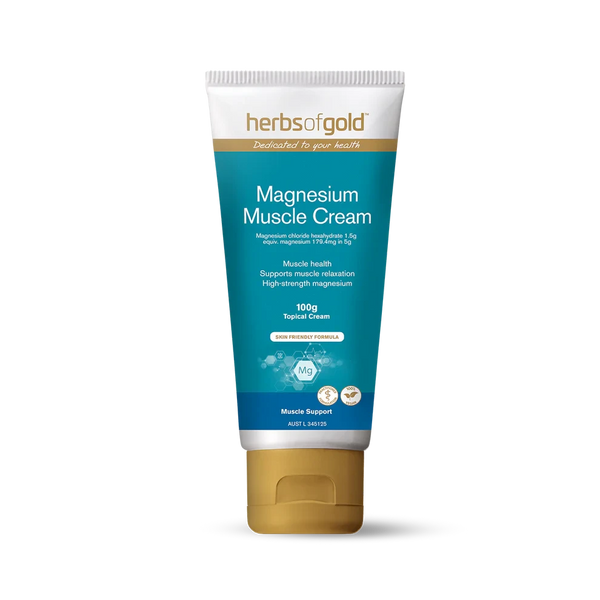 Sale Herbs Of Gold Magnesium Muscle Cream $14.92
Regular price $24.95Add to cart -
 Sale Ancient Minerals Magnesium Oil Full Strength $36.95
Regular price $38.95Add to cart -
 Sale Ancient Minerals Magnesium Flakes $22.95
Regular price $24.95Add to cart -
 Sale Carusos Super Magnesium Cream $23.95
Regular price $28.00Add to cart -
 Sale Amazing You Magnesium Sleep Lotion with Lavender and Chamomile $31.95
Regular price $34.95Add to cart -
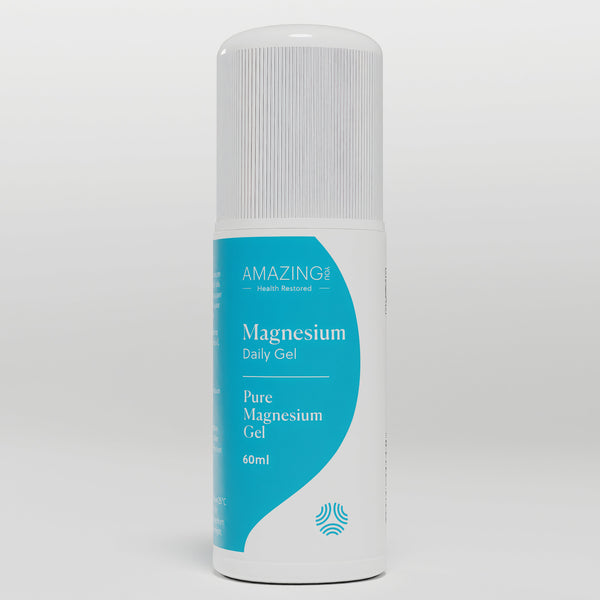 Sale Amazing You Magnesium Daily Gel Pure Magnesium Gel Roll-On $18.95
Regular price $19.95Add to cart -
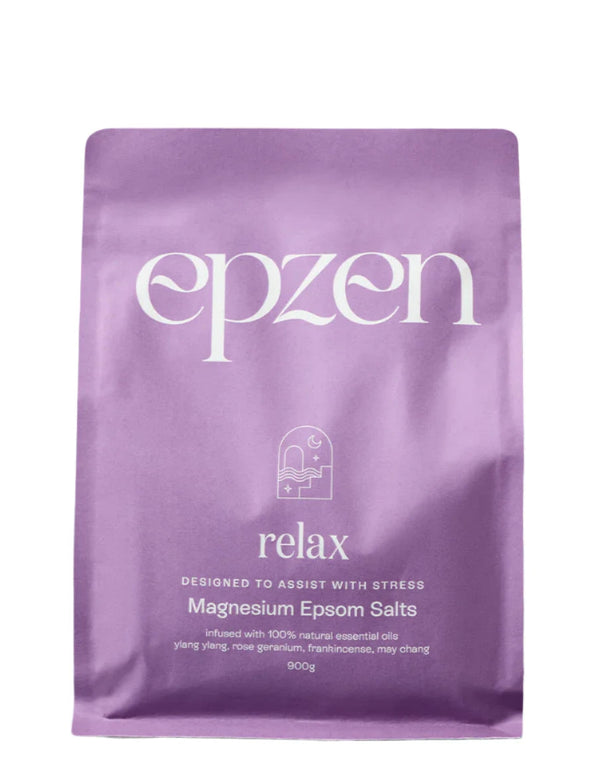 Sale Epzen Magnesium Bath Crystals - Relax $12.95
Regular price $14.95Add to cart -
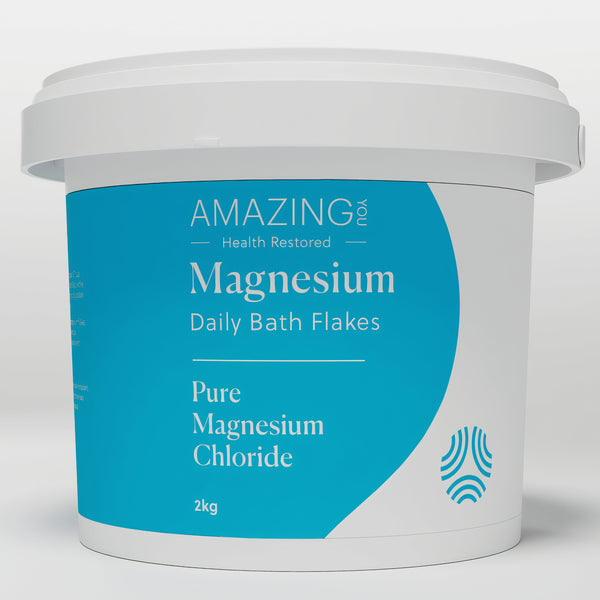 Sale Amazing You Magnesium Daily Bath Flakes Pure Magnesium Chloride $36.95
Regular price $39.95Add to cart -
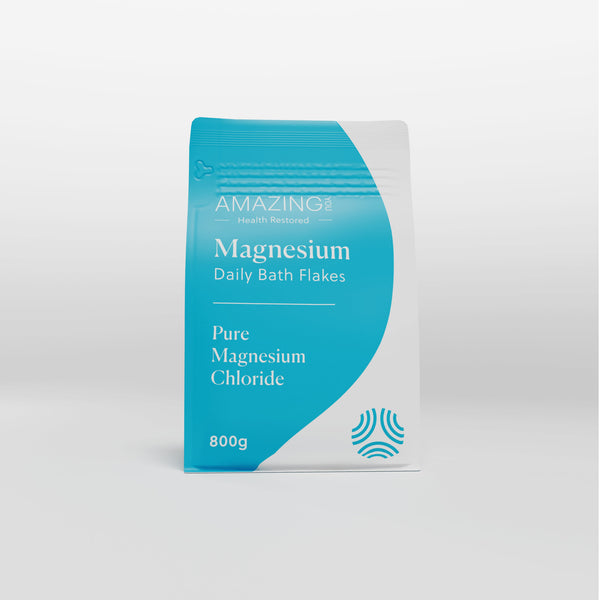 Sale Amazing You Magnesium Daily Bath Flakes Pure Magnesium Chloride $18.95
Regular price $19.95Add to cart -
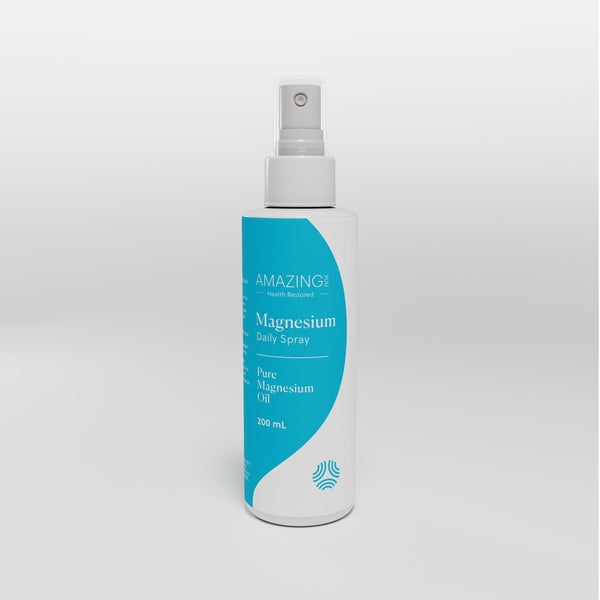 Sale Amazing You Magnesium Daily Spray Pure Magnesium Oil $26.95
Regular price $29.95Add to cart -
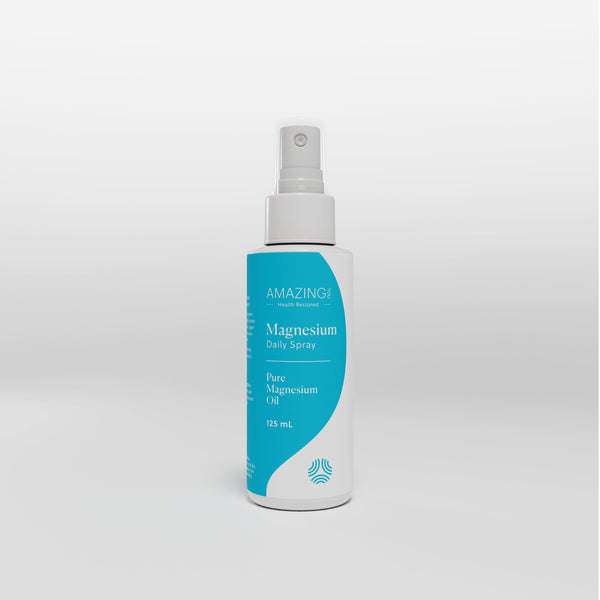 Sale Amazing Oil Magnesium Daily Spray Pure Magnesium Oil $22.95
Regular price $24.95Add to cart -
 Sale NTS Health MagSorb Magnesium Oil $37.95
Regular price $39.95Add to cart -
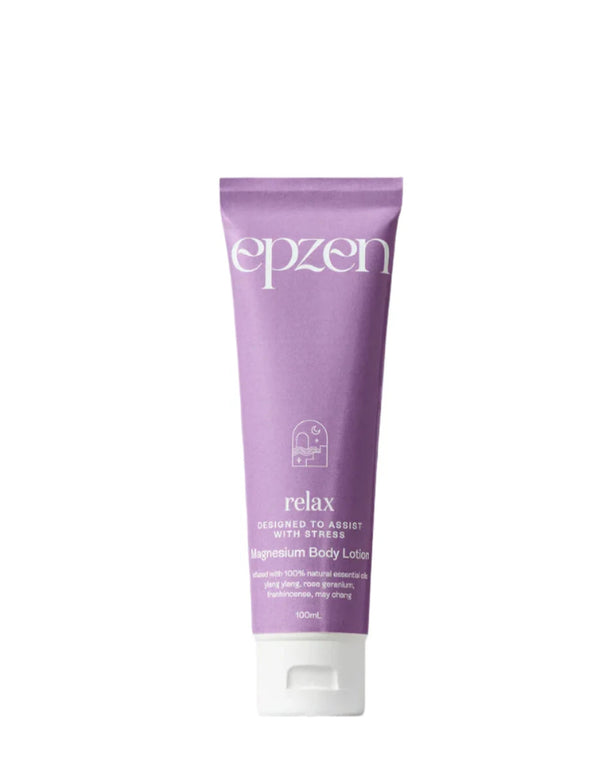 Sale Epzen Magnesium Body Lotion - Relax $13.95
Regular price $14.95Add to cart -
 Sale Epzen Magnesium Bath Crystals - Sleep $12.95
Regular price $14.95Add to cart -
 Sale Epzen Magnesium Bath Crystals - Soothe $12.95
Regular price $14.95Add to cart -
 Sale Ancient Minerals Magnesium Gel Full Strength $41.95
Regular price $45.95Add to cart -
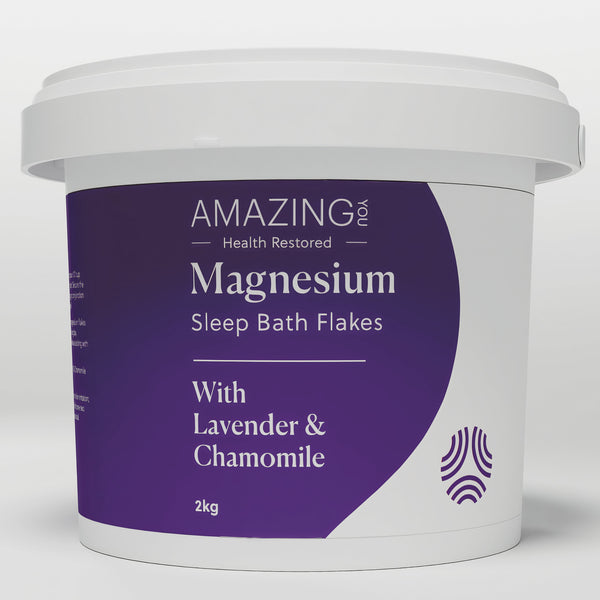 Sale Amazing You Magnesium Sleep Bath Flakes With Lavender & Chamomile $46.95
Regular price $49.95Add to cart -
 Sale Amazing You Magnesium Sleep Bath Flakes with Lavender and Chamomile $22.95
Regular price $24.95Add to cart -
 Sold out Byron Epsom Salts Relax Bath Salts $11.50
-
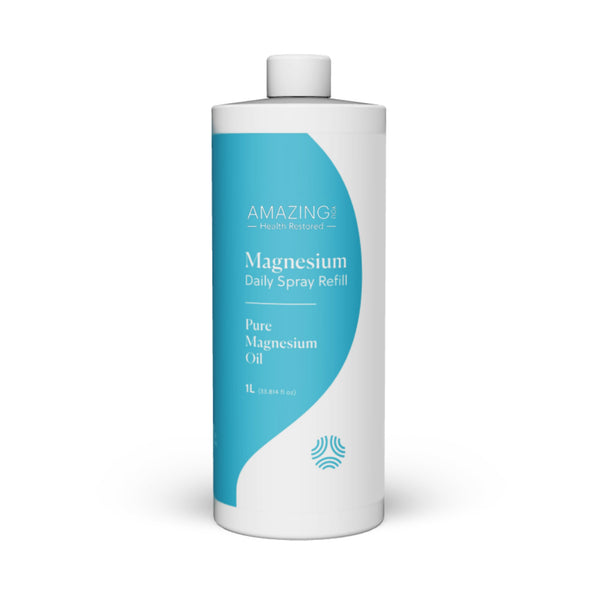 Sale Amazing You Magnesium Daily Spray Refill Pure Magnesium Oil $89.95
Regular price $99.95Add to cart -
 Sale Epzen Magnesium Bath Crystals - Pure $11.95
Regular price $13.95Add to cart -
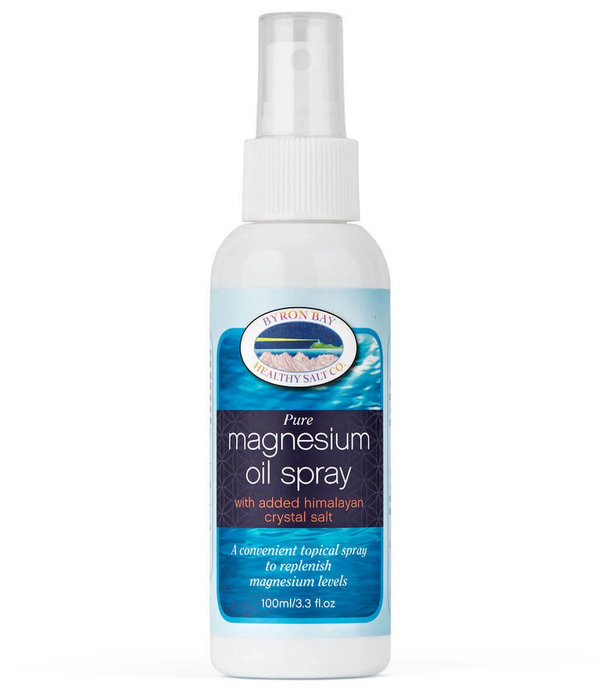 Sold out Byron Bay High Strength Magnesium Oil Topical Spray $15.00
-
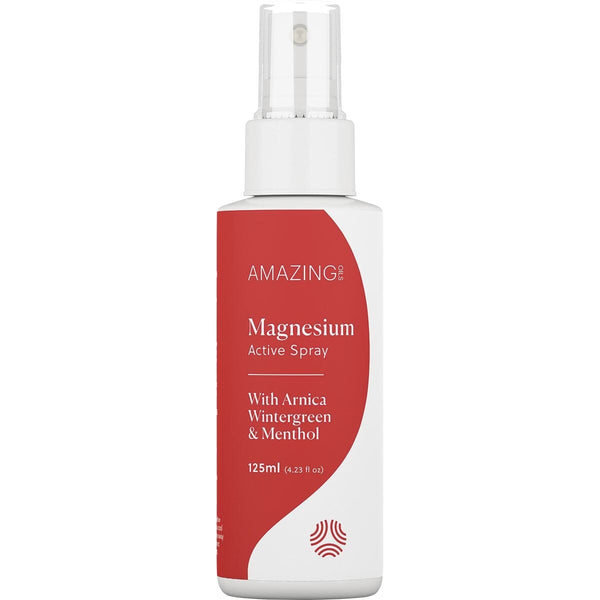 Sale Amazing You Magnesium Active Spray with Arnica Wintergreen and Menthol $30.95
Regular price $34.95Add to cart


Magnesium Oil, Sprays and Creams Information
Always read the label and follow the directions for use.
Spray, Cream, Roll-On or Bath: Choosing Your Topical Magnesium
Shop by type
- Ancient Minerals Magnesium Oil Full Strength and Mg12 Australis Magnesium Spray for sprays
- Amazing You Magnesium Sensitive Spray if pure magnesium oil stings
- Mg12 Fragrance Free Magnesium Cream and Carusos Super Magnesium Cream for creams
- Amazing You Magnesium Daily Gel Roll-On for one sore spot
- Amazing You Magnesium Daily Bath Flakes and Epzen Magnesium Bath Crystals Sleep for soaking
- Pillow and room mists: sleep sprays. Swallowed magnesium: all magnesium supplements
| Format | How you use it | Price from |
|---|---|---|
| Magnesium oil sprays | A few sprays on arms, legs or shoulders, rubbed in | $19.95 (1 litre refill $89.95) |
| Creams and lotions | Massaged in like a moisturiser | $13.95 |
| Gels and roll-ons | Rolled or rubbed onto one area | $18.95 |
| Bath flakes and crystals | Dissolved in a warm bath or foot soak | $11.95 |
Which type suits you?
Spray is the quick option and the one most people mean by magnesium oil. A cream is gentler on skin that tingles. A roll-on keeps things tidy for a calf or shoulder, and a bath turns it into an evening ritual.
Does Magnesium Oil Really Absorb Through Skin?
The evidence is thin. A review of the research found little good evidence that magnesium crosses the skin in useful amounts, and the authors asked for better-designed studies[1].
That makes a spray or bath a pleasant routine rather than a replacement for a swallowed supplement. If your aim is to lift your magnesium intake, browse our magnesium tablets, capsules and powders.
Why Does Magnesium Oil Tingle or Sting?
A prickle or itch is common with pure magnesium chloride sprays, especially on dry, freshly shaved or sun-exposed skin. It usually fades within minutes.
- Apply to clean, dry skin and avoid broken skin and your eyes.
- Try a less oily sensitive spray, a cream or a gel instead of full-strength oil.
- Rinse with water if it stings, and stop if irritation continues.
How Do You Use Magnesium Oil Spray?
- Patch test: a small amount on your inner arm, then wait a day.
- Spray: a few sprays on each area, such as the shoulders, thighs, calves or soles of the feet.
- Massage in: rub until it feels tacky rather than wet.
- Rinse if you like: some people wash it off after 20 minutes or so if it feels sticky.
For roll-ons, creams and baths, follow the amount and timing on the pack. Keep sprays away from the face, and wash your hands after applying.
Magnesium Flakes, Epsom Salts and Bath Soaks
Bath flakes are usually magnesium chloride, the same salt as magnesium oil. Epsom salt is magnesium sulfate. Both dissolve in a warm bath or foot soak, and some blends add lavender or other essential oils.
A warm soak before bed can be a relaxing end to the day. Our sleep support range has more evening ideas.
Lavender, Arnica, MSM or Nothing Added?
Plain magnesium chloride has a mineral, slightly salty feel and no scent. Some formulas add extras, so read the ingredient list for anything you react to.
- Fragrance free: Mg12 Fragrance Free Magnesium Cream suits anyone who dislikes scent.
- Lavender and chamomile: Amazing You Magnesium Sleep Lotion is made for the end of the day.
- Arnica: Natures Way Magnesium Gel + Arnica with White Turmeric is a gel for sore spots.
- MSM: Ancient Minerals Magnesium Oil (50%) & MSM Ultra adds MSM to the spray.
Who Should Check First?
- Sensitive skin or eczema: magnesium chloride can sting, so start with a cream and patch test.
- Babies and children: check the age on the label, as some products contain essential oils.
- Pregnancy: ask your doctor or midwife before using products with essential oils, arnica or menthol.
- Kidney disease: talk to your doctor before using any magnesium product.
If symptoms persist, talk to your health professional.
References
- Gröber, U., Werner, T., Vormann, J. and Kisters, K. (2017) 'Myth or reality: transdermal magnesium?', Nutrients, 9(8), 813. Available at: https://doi.org/10.3390/nu9080813. Funding is not stated, and a listed author has an email address at Protina, which makes magnesium supplements.