

Electrolyte Supplements
Some filters could not be applied and were reset.
-
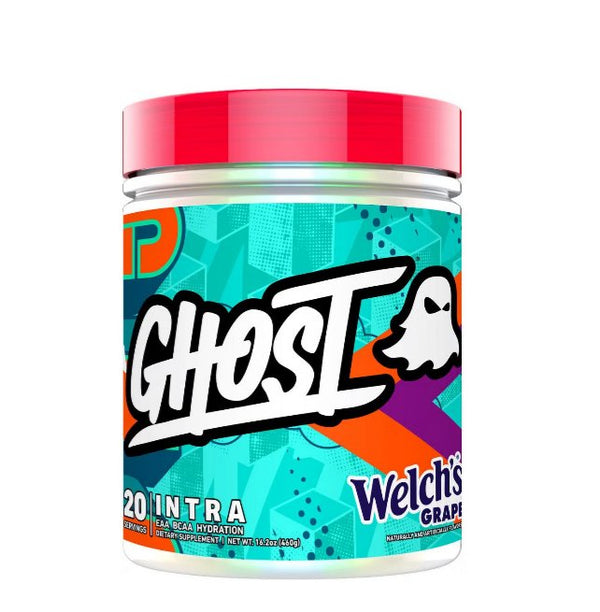 Sale Ghost Intra EAA BCAA hydration $68.95
Regular price $74.95Add to cart -
 Sold out Ghost Hydration RTD $6.30
Regular price $6.50 -
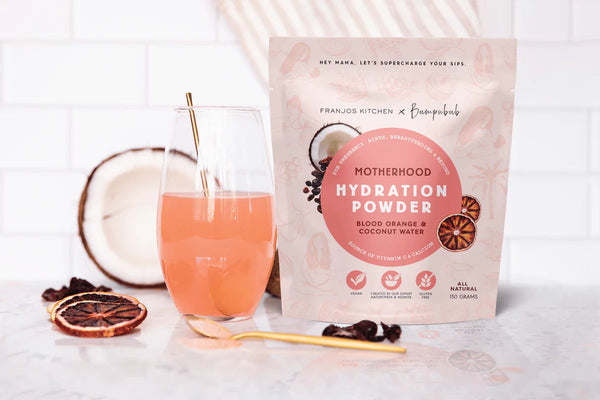 Sold out Franjos Kitchen Hydration Powder Orange Coconut $59.90
-
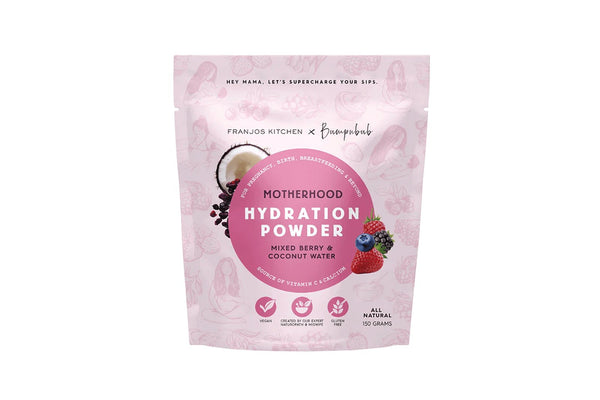 Sold out Franjos Kitchen Hydration Powder Mixed Berry $59.90
-
 Sold out Athletic Sport Kamikaze hydration RTD $5.95
Regular price $6.95 -
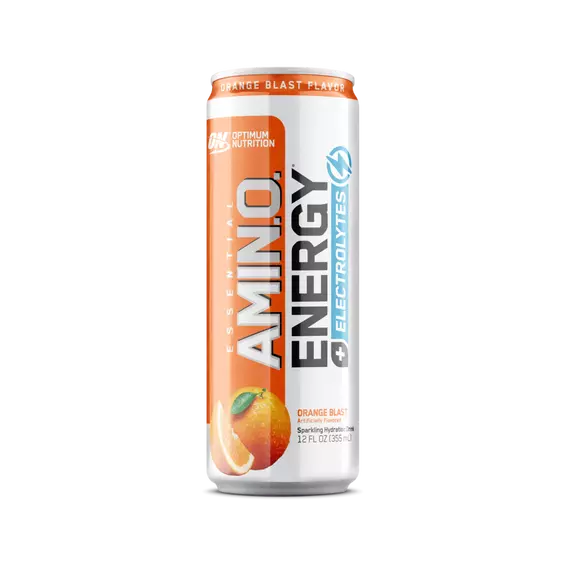 On Amino Energy Sparkling Plus Electrolytes $4.95 Add to cart


Electrolyte Supplements Information
Always read the label and follow the directions for use.
Electrolyte Powders, Sachets and Capsules at a Glance
Most products here are sports foods sold as powders, sticks, capsules, gels and bottled drinks. Pick the format first, then match the sodium per serve to your session. In-stock orders are packed for same-day dispatch wherever we can.
Browse by brand or type: Sodii Electrolytes, Endura, Potassium Supplements and Intra-Workout Supplements.
| Format | What you get | Examples | Price range |
|---|---|---|---|
| Powder tubs | 30 or more serves, mixed into water | Sodii, Dr Hydrate, PURE, Endura | About $25 to $60 |
| Sachets and stick packs | Single serves, 8 to 50 a box | Switch Nutrition Hydrate, Elyte, KODA, PURE | About $16 to $70 |
| Capsules | Electrolyte salts to swallow with your usual drink | PURE Electrolyte Capsules | About $60 |
| Gels and ready-to-drink | Energy gels with salt, and bottled isotonic drinks | Sodii Raw Electrolyte Honey, Maple Movement SAP, Bonsoy Isotonic Hydration | About $3 to $6 each |
Prices change, so check each product page for today's price.
Daily pick: Sodii Everyday Hydration Salts
Sodii Everyday Hydration Salts has 1,000 mg of sodium a serve and less than 0.5 g of sugar, so it suits a bottle on your desk or at the gym.
Which type suits you?
- Everyday and desk use: a sugar-free tub or box of sachets.
- Sessions over an hour: a carbohydrate and electrolyte mix, or a gel.
- Racing and heavy sweaters: a high-sodium mix, or capsules alongside your fuel drink.
- Low-carb eating: sugar-free powders with a clear sodium figure.
Do I Need Electrolytes or Is Water Enough?
You lose fluid and electrolytes in sweat. Sodium is the electrolyte lost in the largest amounts, and the amount varies several-fold from one person to the next[3]. Sweat rates usually run from about 0.5 to 2 litres an hour, so two people doing the same session can lose very different amounts[3].
Electrolytes are minerals such as sodium, potassium, chloride and magnesium that help control the water in your body and your nerve and muscle function[1]. A drink with them makes most sense when:
- you train or race for longer than an hour, especially in the heat[2];
- you sweat heavily or saltily, and see white marks on your clothes or hat;
- you work outdoors on hot days[4];
- you eat low-carb and want a sugar-free drink with a clear sodium figure.
For short, light exercise with regular meals, water is usually enough. Most Australians already eat plenty of salt: average sodium intake is about 3,600 mg a day, almost double the suggested dietary target of 2,000 mg[5].
Sugar-Free Electrolytes or With Carbs?
For everyday hydration, a sugar-free powder gives you the electrolytes without extra energy. Switch Nutrition Hydrate Sugar Free comes in single-serve sachets that fit in a gym bag.
For sessions over an hour, a drink with carbohydrate adds fuel as well as fluid[2][6]. PURE Electrolyte Hydration is an isotonic carbohydrate and electrolyte mix made for longer efforts, and Sodii Raw Electrolyte Honey gives you 25 g of carbohydrate and 400 mg of sodium in one sachet. Pharmacy oral rehydration solutions also contain glucose, because it helps your gut absorb sodium and water[7].
How Much Sodium Should an Electrolyte Drink Have?
There is no single figure. Athletes' sweat carries about 230 to 1,610 mg of sodium per litre[3]. Modelling suggests targeted sodium replacement matters most in very long events, for salty sweaters who drink most of the fluid they lose[8].
- Light, everyday use: a lower-sodium mix, or water with your meals.
- Long or hot sessions: look for 300 mg or more of sodium a serve.
- Very salty sweaters in endurance events: a high-sodium mix such as Sodii, or capsules such as PURE Electrolyte Capsules alongside your fuel drink.
More is not always better. In a 161 km ultramarathon, runners who developed low blood sodium (hyponatraemia) had taken no less sodium from supplements than other runners. Drinking far more than they sweated was the main feature[9]. Drink to thirst and follow the label dose.
Are Electrolyte Drinks Better Than Water or Sports Drinks?
In a trial of 72 men at rest who drank 1 litre, an oral rehydration solution was held in the body better than water over 4 hours. A standard sports drink was no different from water[10]. The European Hydration Institute funded the trial, and the men were not exercising, so results may differ after training.
The Australian Institute of Sport rates electrolyte supplements and sports drinks as Group A sports foods, with strong evidence for use in specific situations in sport[6].
Do Electrolytes Help With Cramps?
The evidence is weak. The causes of muscle cramps during exercise remain uncertain, and no remedy has worked consistently[11]. The Gatorade Sports Science Institute supported that review. Support for salt loss as the cause comes mainly from case reports[12]. If cramps keep coming back, talk to your doctor or one of our practitioners.
What About Magnesium in Electrolyte Products?
Magnesium is an electrolyte too, and some products include it[1]. The general adult reference level for supplemental magnesium is about 350 mg a day[13]. A label dose around or above that is aimed at people replenishing what they lose through heavy sweating, long or hard training sessions and hot conditions, alongside other electrolytes. Use as directed on the label, and count every product you take.
Who Should Check Before Using Electrolytes?
- People told to limit salt, or with high blood pressure, heart or kidney conditions.
- Anyone taking medicines that affect potassium or fluid balance, and anyone who is pregnant.
- Children: most sports-food electrolyte powders carry this statement: Not suitable for children under 15 years of age or pregnant women: Should only be used under medical or dietetic supervision.
- People with vomiting or diarrhoea: an oral rehydration solution from a pharmacy is the right product, and a child should see a doctor first[4].
If symptoms persist, talk to your health professional.
How Do I Read an Electrolyte Label?
- Sodium per serve: the most useful number on the pack.
- Sugars per serve: under 1 g for sugar-free mixes; 10 g or more suits long sessions.
- Serves per day: some sachets limit you to two in 24 hours.
- Extras: B vitamins, taurine, caffeine and amino acids add cost, and caffeine may not suit evening use.
- Category: most powders are sports foods under the Food Standards Code, meant to go with a training or exercise routine. A few capsules are TGA-listed medicines, and their AUST L number can be searched on the ARTG.
Training hard this summer? Pair your hydration with Live More You Creatine Monohydrate from our Creatine range, or browse Sports and Fitness Supplements. Not sure what suits you? Our naturopaths can help, free, online or in store.
References
- MedlinePlus, US National Library of Medicine (n.d.) Electrolytes. Available at: https://medlineplus.gov/ency/article/002350.htm (Accessed: 17 November 2026).
- Sawka, M.N., Burke, L.M., Eichner, E.R., Maughan, R.J., Montain, S.J. and Stachenfeld, N.S. (2007) 'American College of Sports Medicine position stand. Exercise and fluid replacement', Medicine and Science in Sports and Exercise, 39(2), pp. 377-390. doi:10.1249/mss.0b013e31802ca597. Published by the American College of Sports Medicine.
- Baker, L.B. (2017) 'Sweating rate and sweat sodium concentration in athletes: review of methodology and intra/interindividual variability', Sports Medicine, 47(Suppl 1), pp. 111-128. doi:10.1007/s40279-017-0691-5. The author is employed by the Gatorade Sports Science Institute, a division of PepsiCo.
- healthdirect Australia (n.d.) Dehydration. Available at: https://www.healthdirect.gov.au/dehydration (Accessed: 17 November 2026).
- NHMRC (2017) Sodium, in Nutrient Reference Values for Australia and New Zealand. https://www.eatforhealth.gov.au/nutrient-reference-values/nutrients/sodium (viewed 17 November 2026).
- AIS (n.d.) Group A supplements, AIS Sports Supplement Framework. https://www.ais.gov.au/nutrition/supplements/group_a (viewed 17 November 2026).
- Binder, H.J., Brown, I., Ramakrishna, B.S. and Young, G.P. (2014) 'Oral rehydration therapy in the second decade of the twenty-first century', Current Gastroenterology Reports, 16(3), p. 376. doi:10.1007/s11894-014-0376-2.
- McCubbin, A.J. (2023) 'Modelling sodium requirements of athletes across a variety of exercise scenarios: identifying when to test and target, or season to taste', European Journal of Sport Science, 23(6), pp. 992-1000. doi:10.1080/17461391.2022.2083526.
- Hoffman, M.D. and Stuempfle, K.J. (2015) 'Sodium supplementation and exercise-associated hyponatremia during prolonged exercise', Medicine and Science in Sports and Exercise, 47(9), pp. 1781-1787. doi:10.1249/MSS.0000000000000599.
- Maughan, R.J., Watson, P., Cordery, P.A., Walsh, N.P., Oliver, S.J., Dolci, A. et al. (2016) 'A randomized trial to assess the potential of different beverages to affect hydration status: development of a beverage hydration index', American Journal of Clinical Nutrition, 103(3), pp. 717-723. doi:10.3945/ajcn.115.114769. Funded by the European Hydration Institute.
- Maughan, R.J. and Shirreffs, S.M. (2019) 'Muscle cramping during exercise: causes, solutions, and questions remaining', Sports Medicine, 49(Suppl 2), pp. 115-124. doi:10.1007/s40279-019-01162-1. The supplement issue was supported by the Gatorade Sports Science Institute.
- Schwellnus, M.P. (2009) 'Cause of exercise associated muscle cramps (EAMC): altered neuromuscular control, dehydration or electrolyte depletion?', British Journal of Sports Medicine, 43(6), pp. 401-408. doi:10.1136/bjsm.2008.050401.
- NHMRC (2006) Magnesium, in Nutrient Reference Values for Australia and New Zealand. https://www.eatforhealth.gov.au/nutrient-reference-values/nutrients/magnesium (viewed 17 November 2026).